
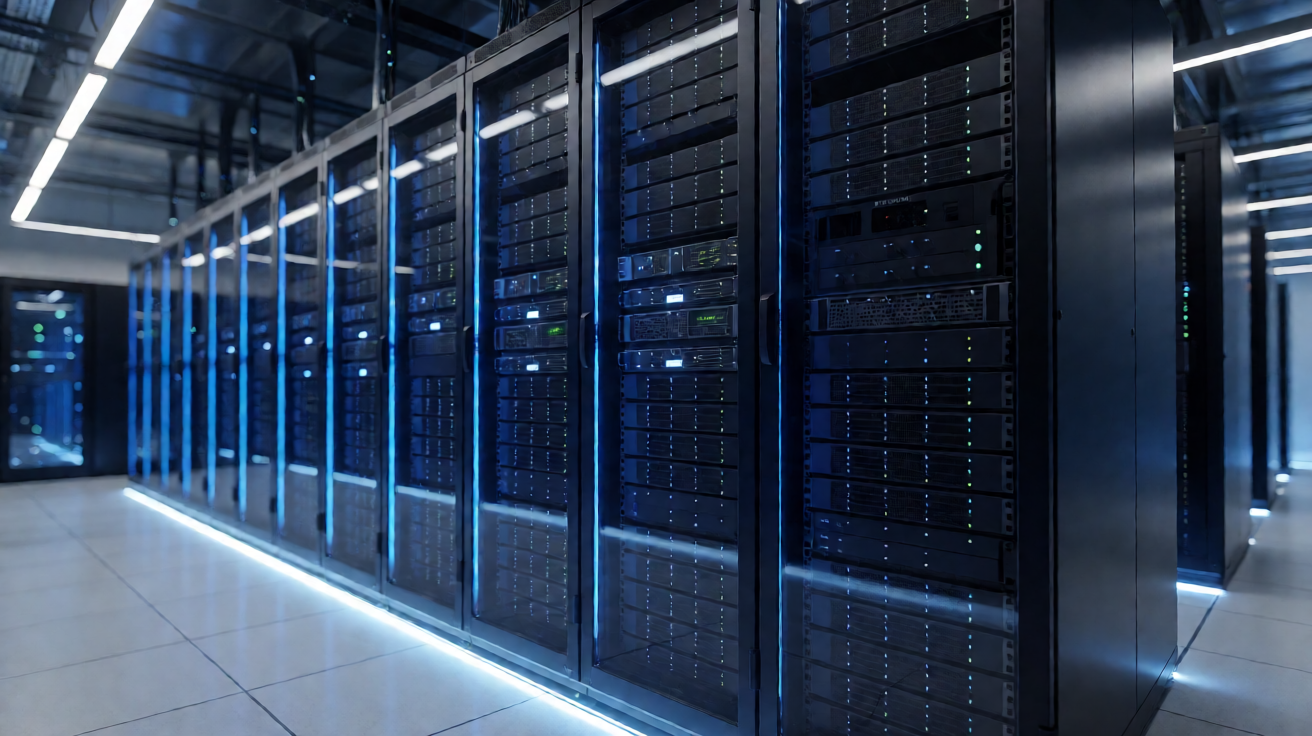
Reliable power data centers are the backbone of the modern digital economy, ensuring that cloud services, financial transactions, and critical communication channels remain active 24/7. In an era where milliseconds can determine the success of a high-frequency trade or the accessibility of emergency healthcare records, any power fluctuation is more than just an inconvenience—it is a catastrophic risk. Maintaining a constant stream of energy is the only way to prevent massive data loss and maintain operational integrity.
The complexity of modern server environments means that power needs are not static. As artificial intelligence and big data analytics increase the density of server racks, the demand for electricity and cooling grows exponentially. This puts immense pressure on electrical infrastructure, requiring a sophisticated blend of primary power sources and redundant backup systems to ensure that the facility never goes dark.
The Critical Importance of Reliable Power Data Centers
Why is the concept of reliable power data centers so vital? The answer lies in the cost of downtime. For many enterprises, a few minutes of outage can result in millions of dollars in lost revenue and severe damage to brand reputation. Beyond financial loss, unplanned shutdowns can corrupt databases and damage hardware, leading to long recovery times that further extend the outage.
Furthermore, the cooling systems in a data center are just as critical as the servers themselves. Without constant power to the HVAC and liquid cooling units, server temperatures can spike within seconds, triggering automatic emergency shutdowns to prevent hardware from melting. This interconnected dependency makes a comprehensive power strategy non-negotiable for any facility operator.
Key Components of a Robust Power Strategy
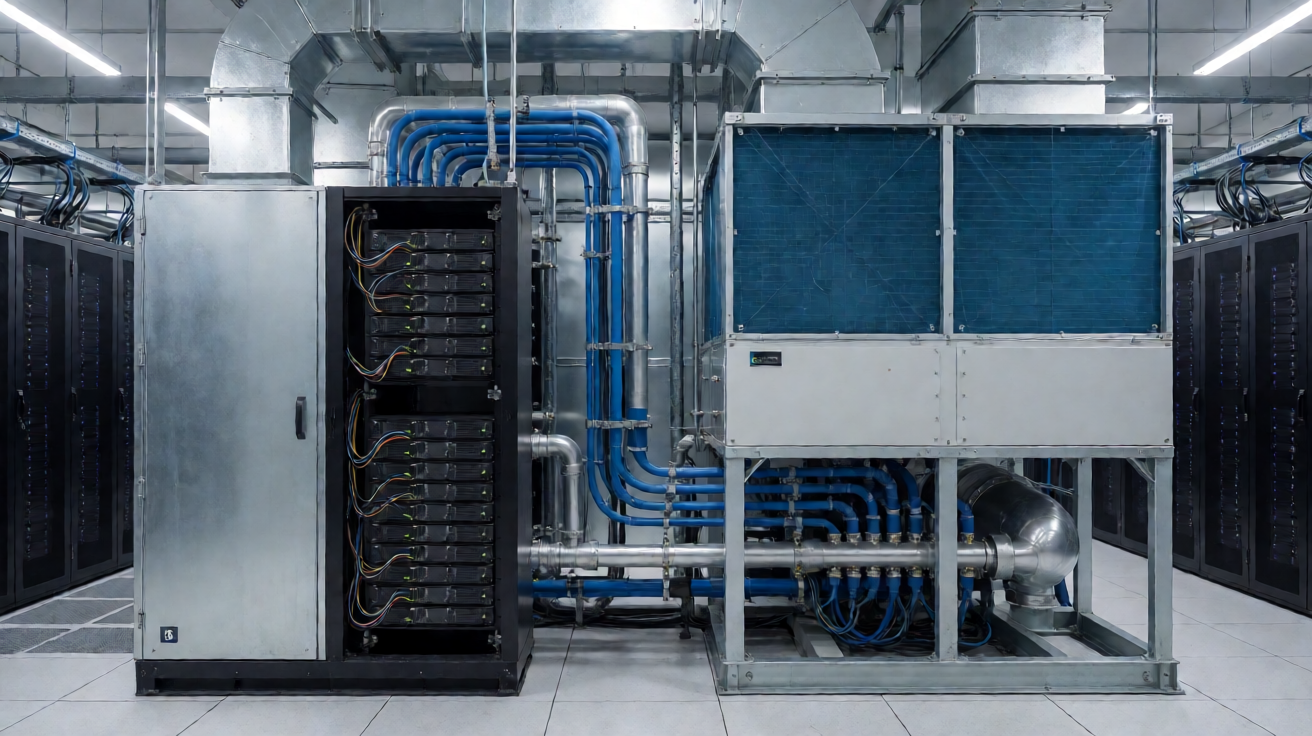
To achieve maximum uptime, facility managers implement a multi-layered approach to energy management. This strategy ensures that there is no single point of failure in the electrical chain. By diversifying power sources and adding redundancies, they create a resilient environment that can withstand both minor glitches and major grid failures.
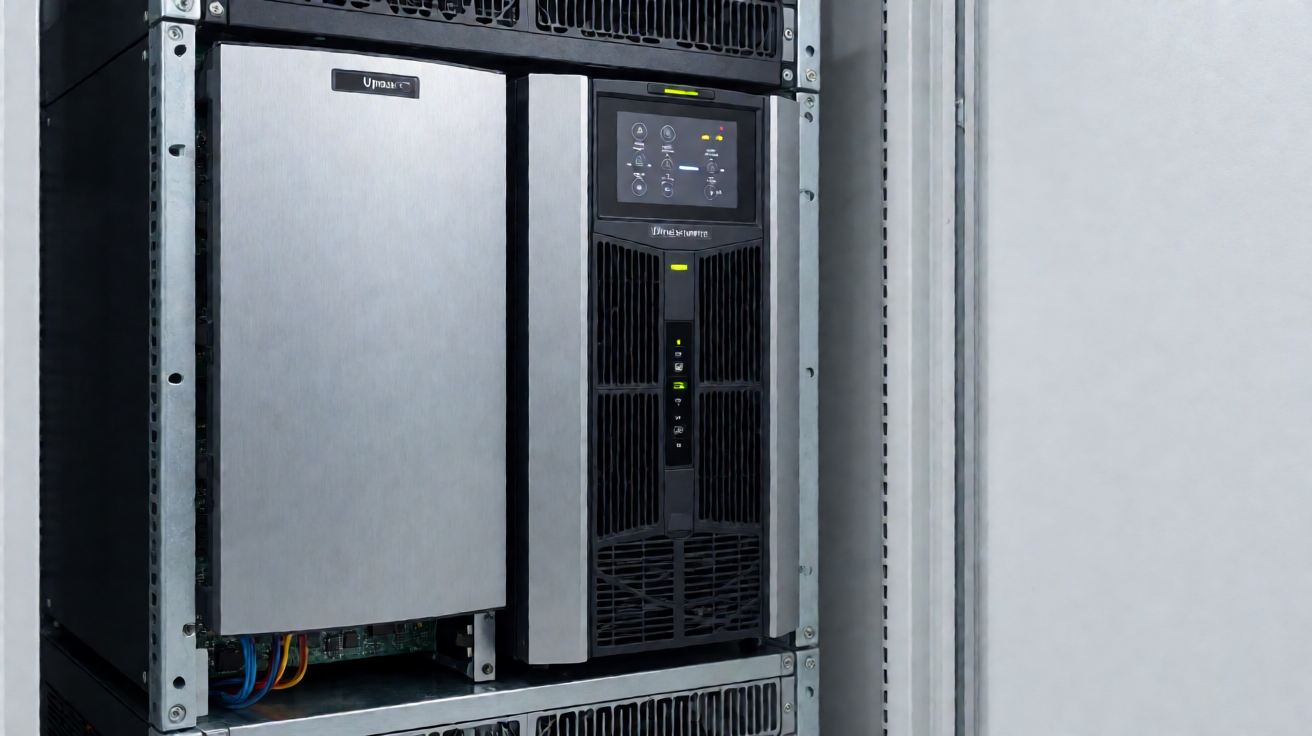
- Uninterruptible Power Supplies (UPS): These systems provide instantaneous power via batteries the moment the main grid fails, bridging the gap until generators kick in.
- Industrial Backup Generators: High-capacity diesel or gas generators provide long-term power during extended outages, ensuring the facility remains operational for days if necessary.
- Automatic Transfer Switches (ATS): These devices detect power loss and automatically switch the load from the utility grid to the backup generator without human intervention.
- Power Distribution Units (PDUs): Advanced PDUs monitor energy consumption at the rack level, preventing circuit overloads and improving overall efficiency.
Overcoming Challenges in Power Management
Managing reliable power data centers involves overcoming several technical hurdles. One of the primary challenges is “power quality.” Voltage sags, surges, and harmonic distortions can cause sensitive electronic components to malfunction even if the power never fully goes out. Power conditioners and stabilizers are essential to clean the incoming electricity.
Scalability is another significant concern. As a data center adds more servers to meet growing client demands, the existing power infrastructure may become inadequate. Forward-thinking operators invest in modular power systems that allow them to add capacity incrementally without disrupting current operations. This modularity ensures that the facility can grow without risking its stability.
The Shift Toward Sustainable Power Solutions
Environmental sustainability is becoming a core requirement for the tech industry. Many operators are now integrating renewable energy sources, such as solar and wind, into their power mix. While these sources are intermittent, combining them with large-scale battery storage helps reduce the reliance on fossil fuels while maintaining the high standards of reliability required.
Additionally, the industry is exploring hydrogen fuel cells as a cleaner alternative to traditional diesel generators. These systems provide high energy density and zero emissions at the point of use, aligning corporate sustainability goals with the technical necessity of uninterrupted power. The transition to green energy does not mean compromising on stability; rather, it enhances the long-term viability of the infrastructure.
Conclusion: Investing in Reliable Power Data Centers
Ultimately, ensuring reliable power data centers is an investment in business continuity and trust. The digital world depends on the invisibility of the infrastructure; when the power works perfectly, no one notices, but when it fails, the entire world feels the impact. By combining UPS systems, industrial generators, and smart monitoring, operators can safeguard their data and their clients’ futures.
Do not leave your critical infrastructure to chance. A single failure can erase years of growth and trust. Evaluate your current power redundancy today and implement a professional backup strategy to eliminate the risk of downtime. Contact our power specialists now to design a resilient energy solution tailored to your data center’s specific needs.