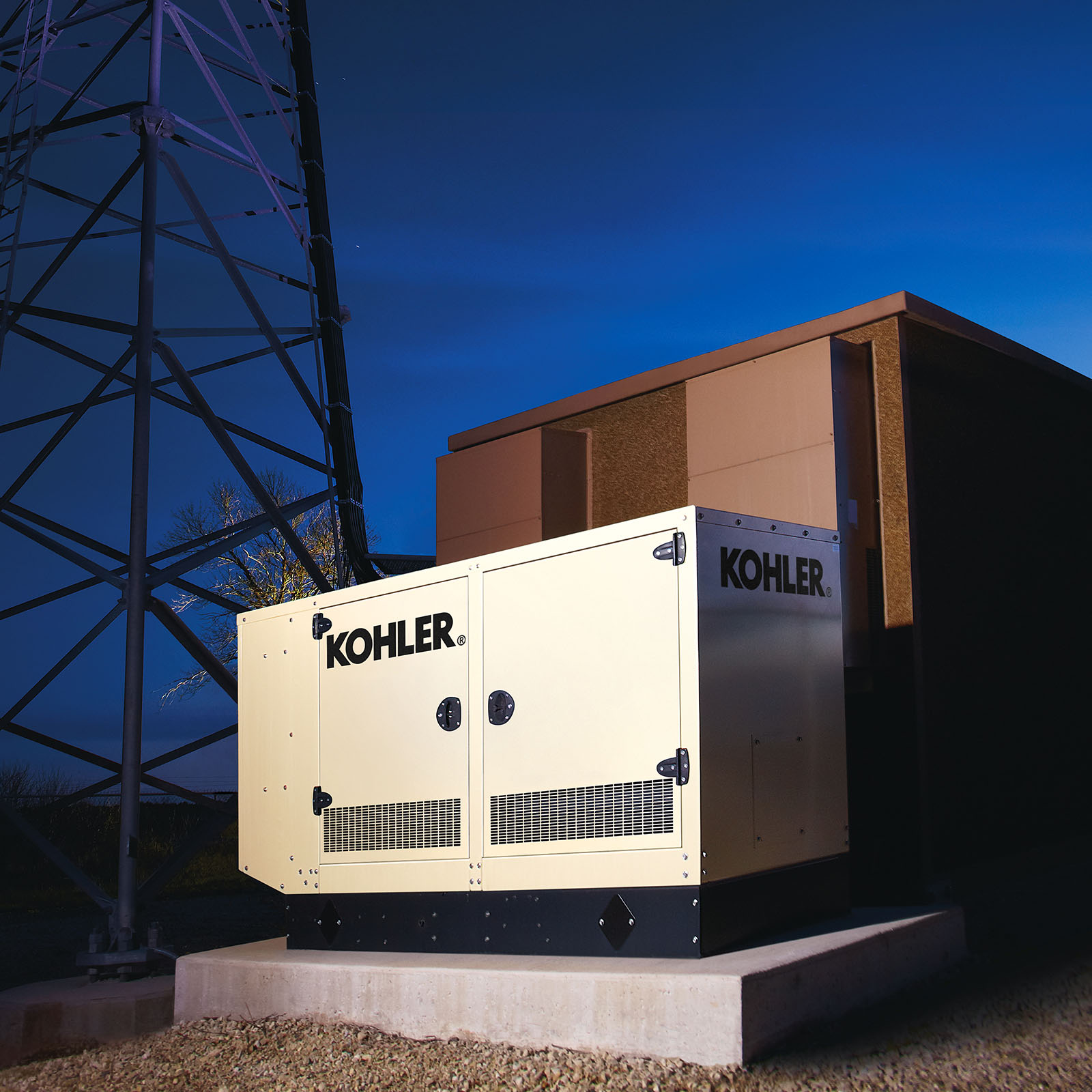
Eco-friendly generator set technology is becoming a critical priority for industries worldwide as the demand for sustainable energy grows. With the global shift toward reducing carbon footprints, businesses are no longer looking for just reliable power; they are seeking power solutions that protect the environment. Rehlko, a leader in power generation, provides the essential answers to what truly defines a generator as sustainable and how these machines can operate without compromising the planet’s health.
Traditionally, generators were seen as noisy, polluting machines that relied heavily on fossil fuels. However, the landscape has changed. Modern engineering now allows for the creation of power units that minimize pollutants and maximize energy efficiency. Understanding the components of an eco-friendly generator set requires a look at fuel sources, emission control systems, and overall operational efficiency.
Key Factors That Define an Eco-Friendly Generator Set
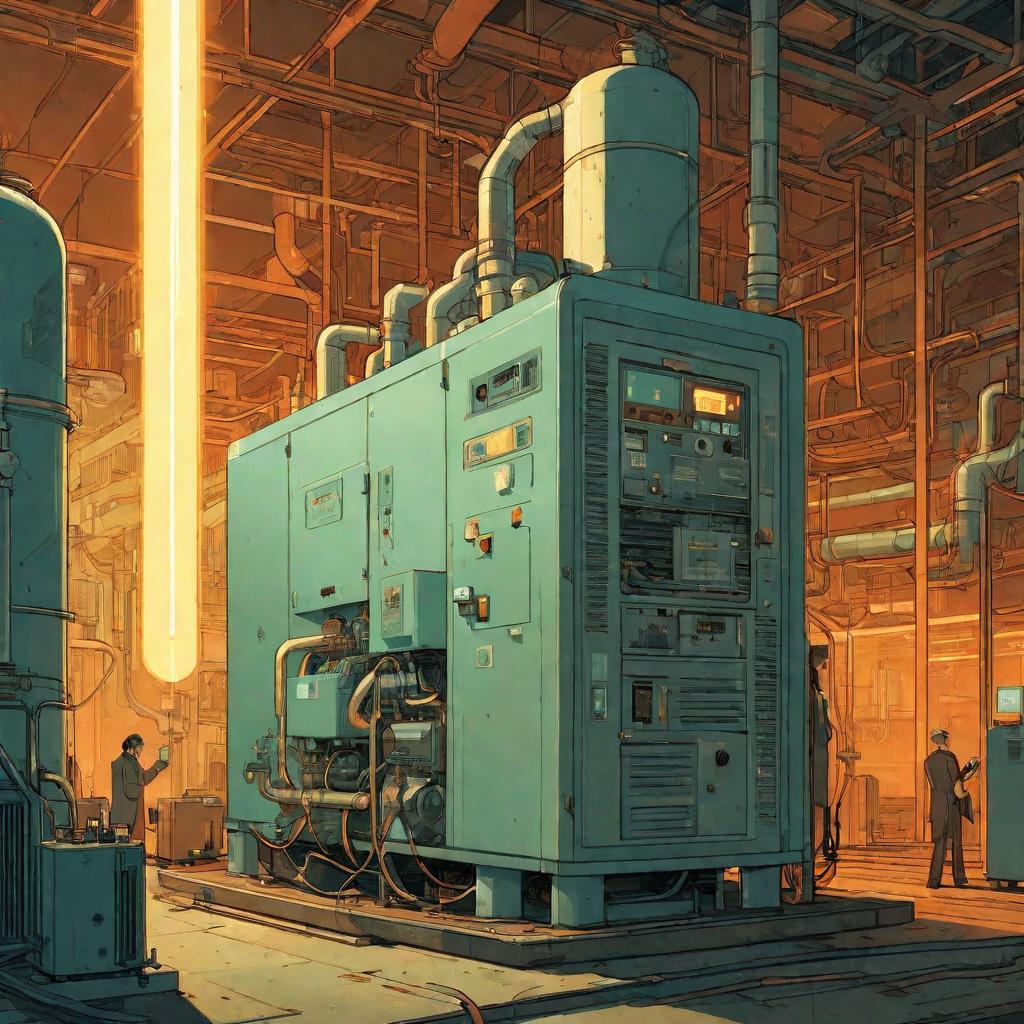
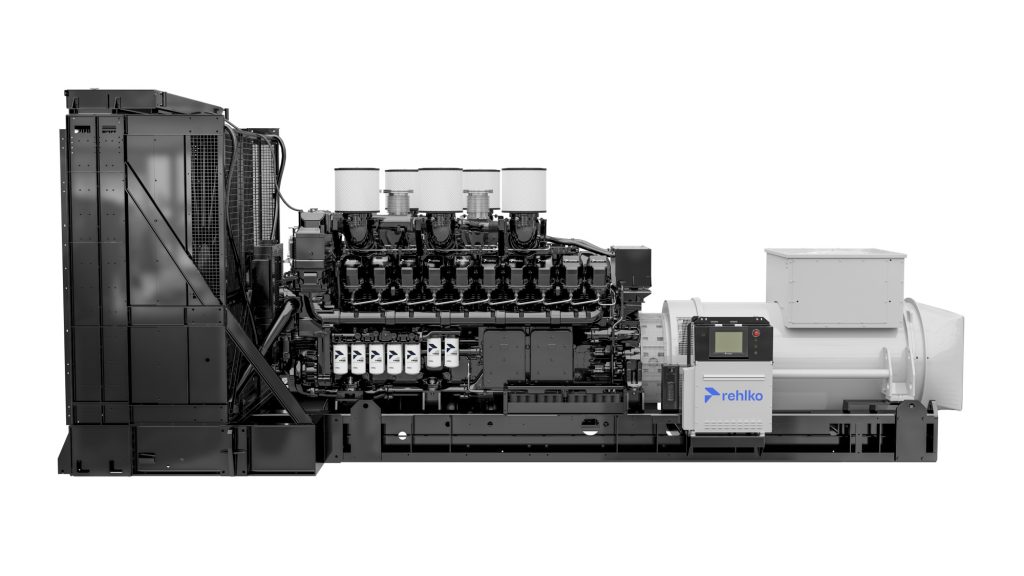
To determine if a power system is truly sustainable, one must look beyond the surface. An eco-friendly generator set focuses on reducing the three primary environmental impacts: air pollution, noise pollution, and resource waste. Rehlko emphasizes that sustainability is achieved through a combination of advanced hardware and intelligent software management.
The first major factor is the transition to cleaner fuels. While traditional diesel remains common, the industry is moving toward HVO (Hydrotreated Vegetable Oil) and natural gas. These alternatives significantly lower the net carbon emissions released into the atmosphere. By switching the fuel source, a generator can drastically reduce its impact on global warming while maintaining the same power output.
- Low Emission Engines: Use of advanced combustion technology to minimize NOx and particulate matter.
- Alternative Fuels: Integration of biofuels and natural gas to replace heavy petroleum oils.
- High Energy Efficiency: Optimized fuel-to-power ratios to ensure no energy is wasted during operation.
- Sound Attenuation: Advanced enclosure designs that reduce noise pollution in urban areas.
How Rehlko Optimizes Sustainable Power Generation
Rehlko implements a holistic approach to ensure every eco-friendly generator set they produce meets rigorous environmental standards. One of the core strategies involves the implementation of sophisticated exhaust after-treatment systems. These systems act as a filter, capturing harmful gases before they leave the tailpipe and enter the atmosphere.
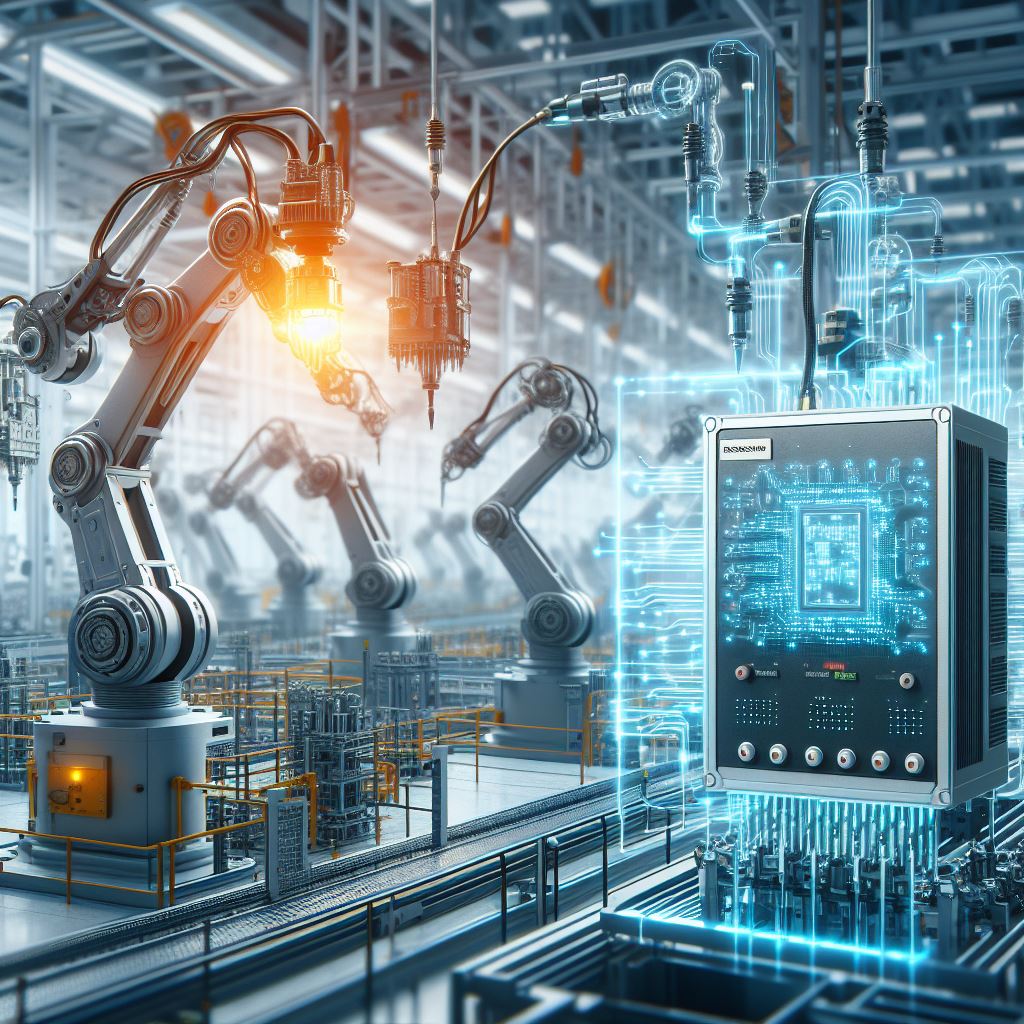
Furthermore, the integration of smart controllers allows operators to monitor fuel consumption in real-time. By analyzing load patterns, these systems can adjust the engine speed or activate energy-saving modes. This precision prevents “wet stacking” and unnecessary idling, which are common causes of fuel waste and excessive emissions in older generator models.
The Benefits of Switching to Green Power Solutions
Adopting an eco-friendly generator set provides more than just environmental benefits; it offers significant economic advantages. While the initial investment might be higher than traditional units, the long-term operational costs are often lower. This is due to improved fuel efficiency and a reduction in carbon taxes or environmental penalties in many jurisdictions.
Moreover, companies that prioritize green energy enhance their brand reputation. In a market where consumers value sustainability, demonstrating a commitment to the environment through the use of clean power technology can be a powerful competitive advantage. It shows that a company is responsible and forward-thinking.
- Regulatory Compliance: Easier adherence to strict government emissions standards.
- Lower Operating Costs: Reduced fuel consumption leads to direct financial savings.
- Environmental Stewardship: Direct contribution to the reduction of the global carbon footprint.
- Improved Reliability: Modern, efficient engines typically have longer lifespans and require less frequent overhaul.
Integrating Generators with Renewable Energy
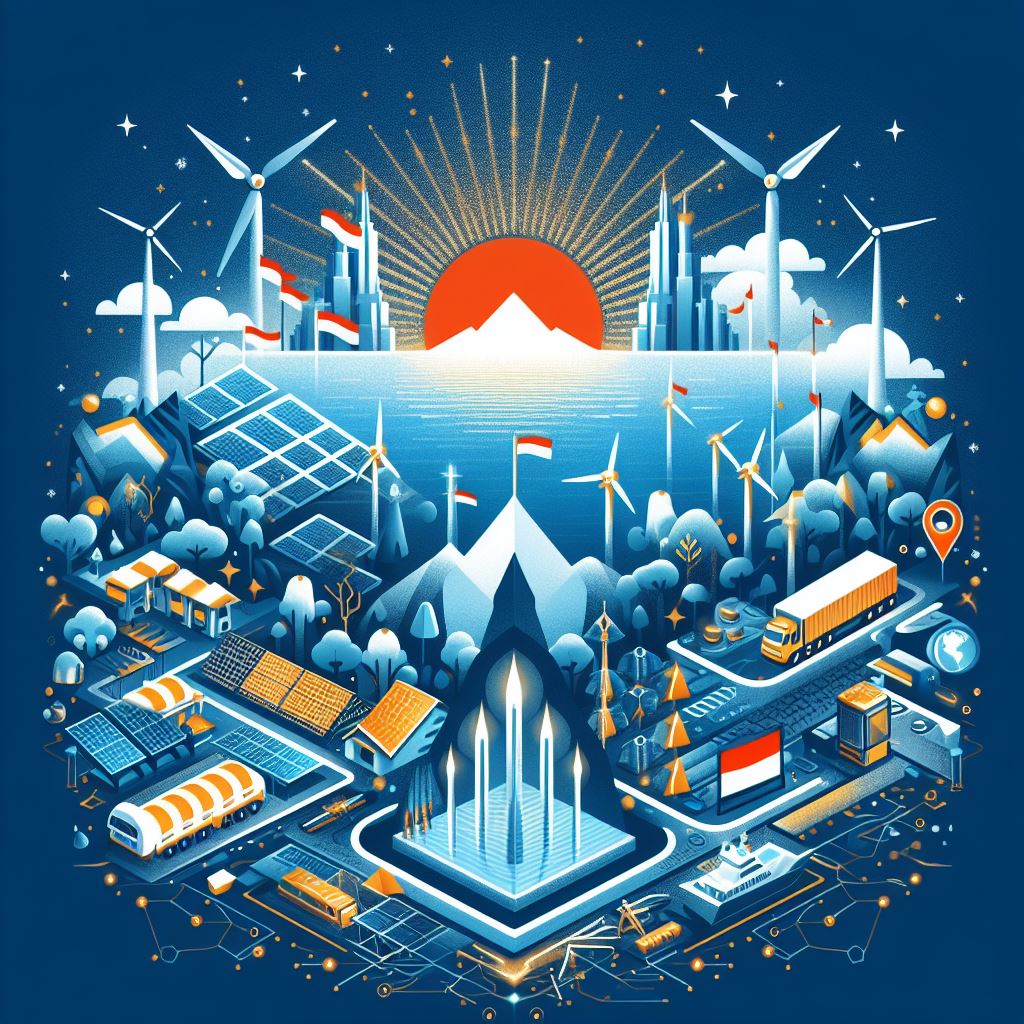
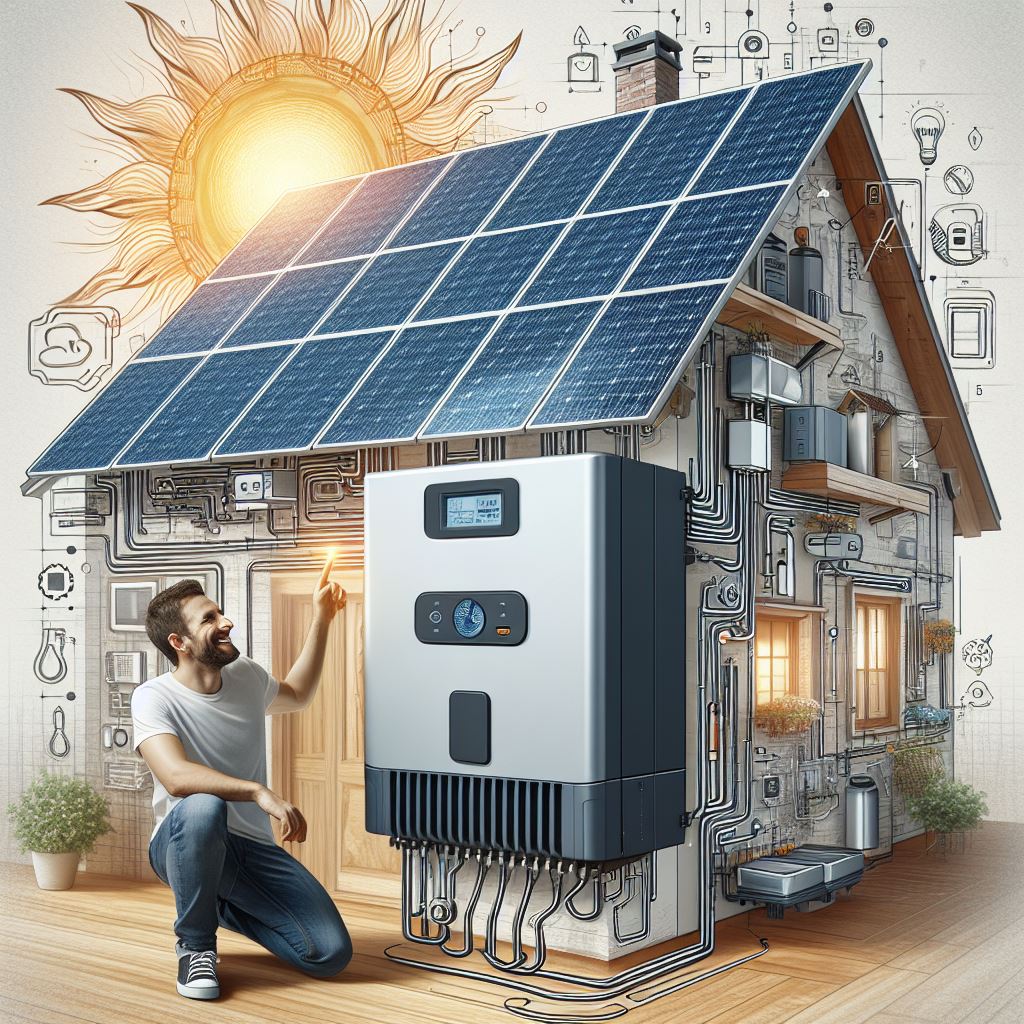
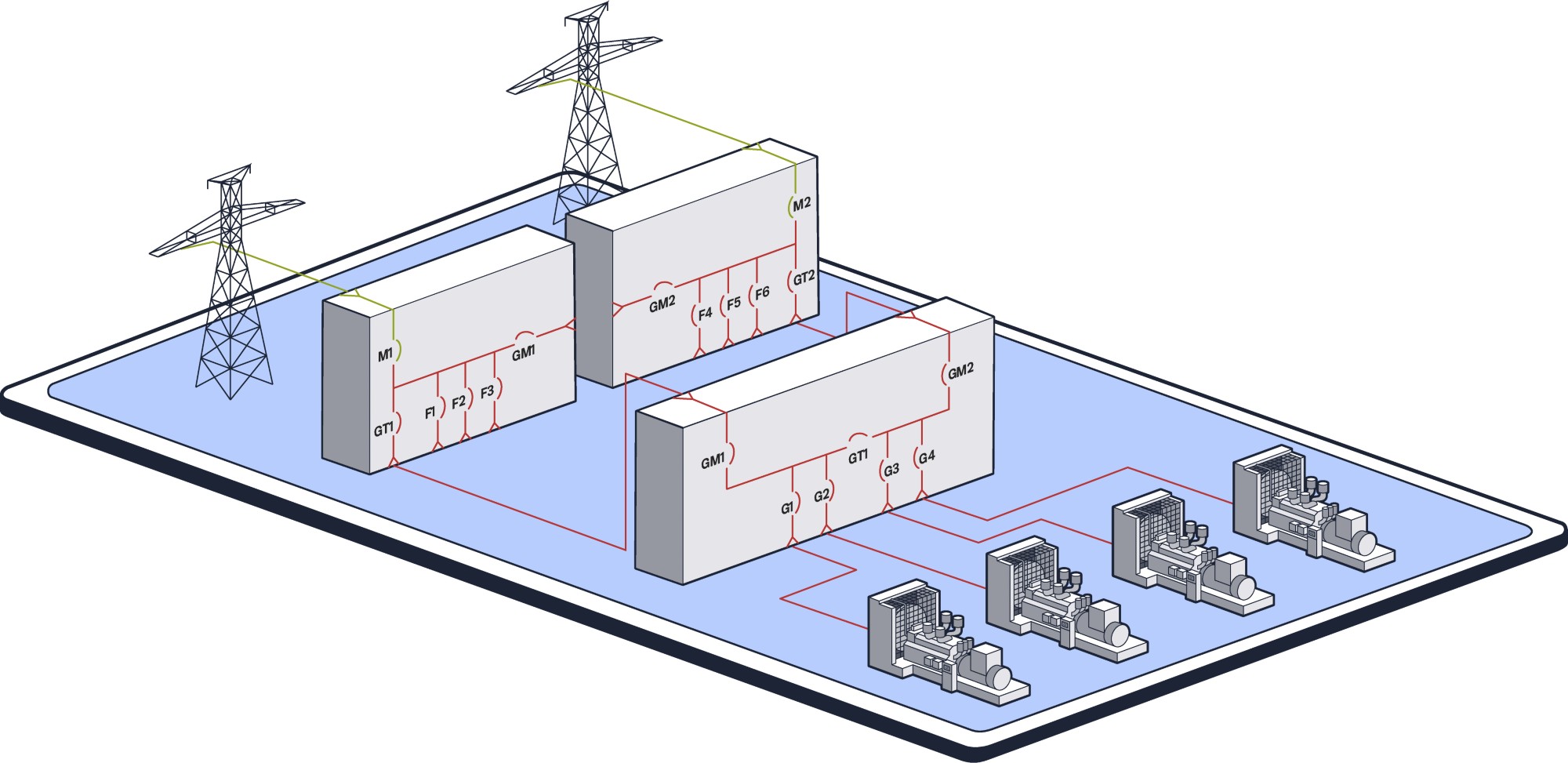
The future of power is not just about a single machine but about a hybrid ecosystem. Rehlko encourages the use of hybrid power systems where an eco-friendly generator set works in tandem with solar panels or wind turbines. In this setup, the generator acts as a backup or a “bridge” when renewable sources are insufficient.
This hybrid approach ensures a 100% uptime while minimizing the total runtime of the combustion engine. By leveraging the best of both worlds, industries can achieve energy independence without relying solely on the grid or burning excessive amounts of fuel.
Conclusion: Embracing the Future of Clean Power
Choosing an eco-friendly generator set is no longer an optional luxury; it is a necessity for any business that wants to thrive in a green economy. From the adoption of alternative fuels to the implementation of smart monitoring and emission controls, Rehlko provides the expertise needed to transition toward a sustainable future.
By prioritizing efficiency and environmental responsibility, you can ensure your operations remain uninterrupted while protecting the natural world for future generations. Are you ready to upgrade your power infrastructure? Contact Rehlko today to find the perfect sustainable power solution for your specific needs and start your journey toward a cleaner, greener tomorrow.