
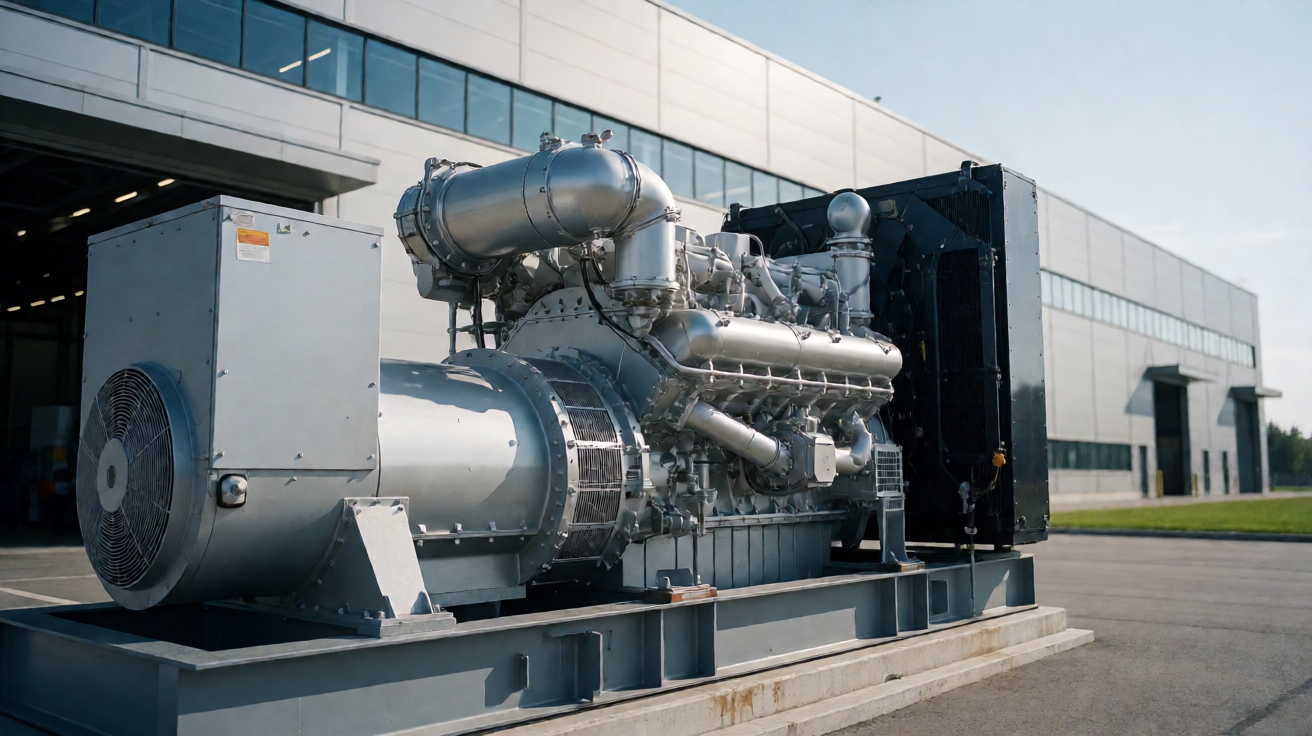
Choose industrial generator options carefully to ensure that your facility never suffers from unexpected power outages. For most industrial operations, electricity is not just a convenience but a critical requirement for safety, production, and revenue. A single hour of downtime can result in thousands of dollars in lost productivity and potential damage to sensitive machinery. Therefore, selecting a power system that aligns perfectly with your facility’s electrical demand is a strategic necessity.
Many facility managers make the mistake of guessing their power needs or buying the cheapest unit available. However, industrial power requirements are complex. You must consider not only the running wattage of your machines but also the starting currents and the environmental conditions of your site. A systematic approach to selection prevents the risks of under-powering your equipment or over-spending on an oversized system.
Calculating Your Total Power Load
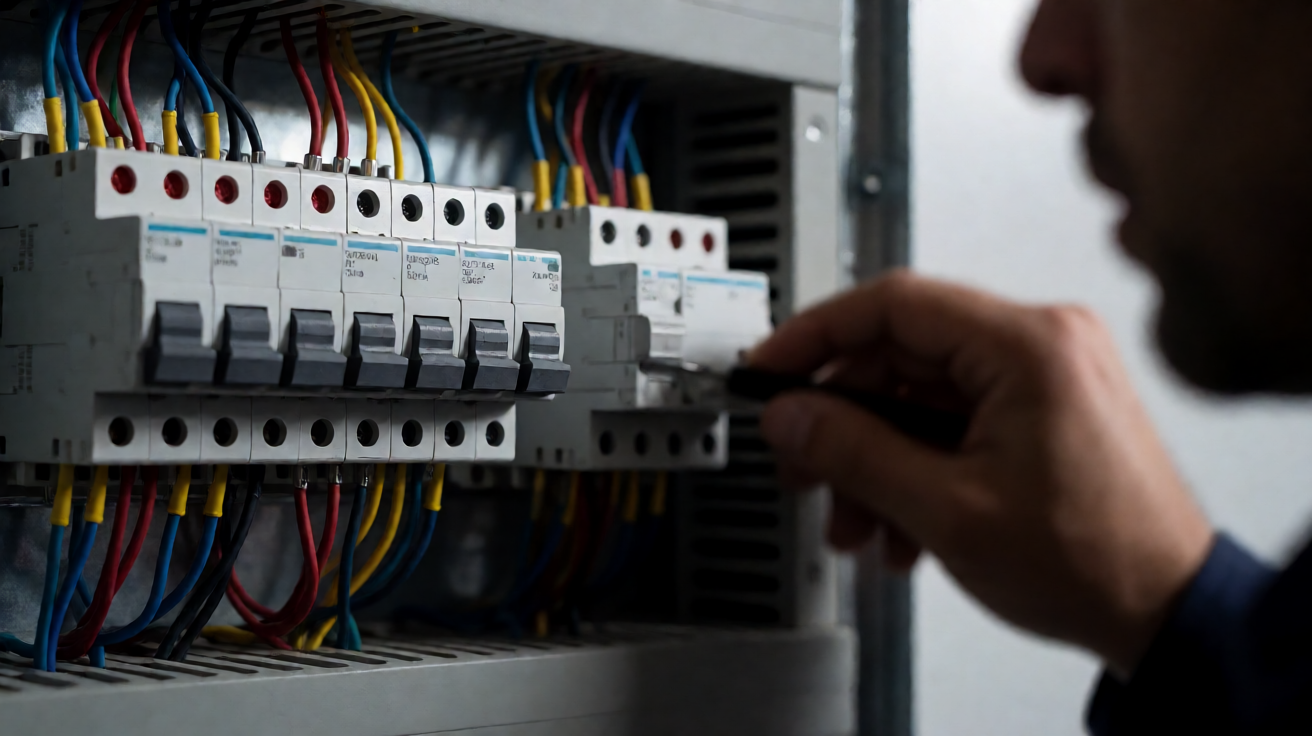
The first step when you choose industrial generator systems is to perform a comprehensive load calculation. You cannot simply add up the numbers on the nameplates of your equipment. You must distinguish between “running watts” and “starting watts.” Motors and compressors often require a surge of power—sometimes three to five times their running wattage—just to start up.
To avoid failure, list every piece of equipment that must remain operational during a blackout. Categorize them into “critical” and “non-critical” loads. This allows you to decide whether you need a full-facility backup or a selective backup system that only powers essential machinery and safety lighting. A professional electrical audit is highly recommended to ensure these calculations are precise.
Selecting the Right Fuel Source
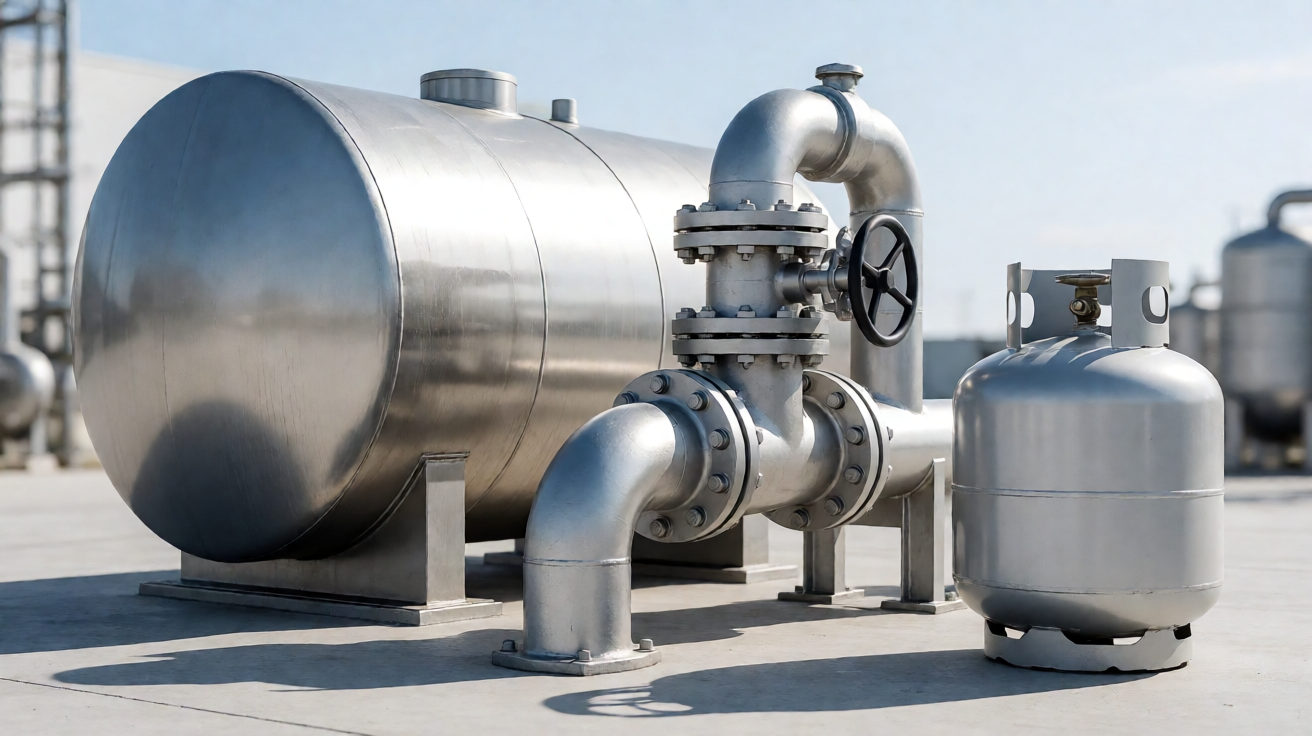
Fuel choice significantly impacts the long-term operational cost and reliability of your backup power. Depending on your location and business goals, you generally have three primary options:
- Diesel: The most common choice for industrial use due to its high energy density, durability under heavy loads, and superior safety compared to gasoline.
- Natural Gas: An excellent option for facilities with existing gas pipeline access. It offers cleaner emissions and eliminates the need for on-site fuel storage.
- Propane (LPG): A versatile alternative for remote locations where pipelines are unavailable but a cleaner fuel than diesel is preferred.
When you choose industrial generator fuel, consider the availability of the supply chain. If you live in a remote area, diesel is often the most practical choice because it can be stored in large tanks on-site for extended periods, provided it is treated with stabilizers.
Evaluating Capacity and Sizing
Sizing is where most mistakes happen. If you buy a generator that is too small, it will overload and trip the breaker as soon as a large motor kicks in. Conversely, a generator that is too large can suffer from “wet stacking,” a condition where unburnt fuel accumulates in the exhaust system because the engine is not running hot enough.
The ideal size should handle your peak load comfortably while operating at around 70% to 80% of its rated capacity. This buffer ensures the engine remains efficient and provides room for future facility expansions. Always consult with a technical expert to balance the capacity with the actual demand of your machinery.
Installation and Environmental Factors
Where you place your generator is just as important as the unit itself. Industrial generators produce significant noise, heat, and exhaust fumes. You must ensure the installation site has adequate ventilation to prevent overheating and is positioned far enough from office areas to minimize noise pollution.
Additionally, consider the climate of your region. In high-humidity or coastal areas, you should look for units with specialized corrosion-resistant coatings. For facilities in urban zones, sound-attenuated enclosures are mandatory to comply with local noise ordinances and maintain a good relationship with neighboring businesses.
Maintenance and Long-Term Support
A generator is only as good as its last maintenance check. When you choose industrial generator brands, look for those with a strong local support network. You need a supplier who can provide genuine spare parts and certified technicians for routine servicing.
Establish a preventive maintenance schedule that includes oil changes, filter replacements, and monthly “no-load” tests. For critical facilities, scheduled “load bank testing” is essential. This process simulates a real power outage to verify that the generator can actually handle the full facility load without failing.
Conclusion
To choose industrial generator solutions that truly fit your facility, you must prioritize accurate load calculation, appropriate fuel selection, and precise sizing. Investing time in the planning phase prevents costly errors and ensures that your business remains operational during the most challenging circumstances. A reliable generator is not just a purchase; it is an insurance policy for your productivity.
Stop worrying about the next power outage! Let our experts help you find the perfect power solution for your facility. Contact us today for a professional load analysis and a customized generator recommendation tailored to your business needs!