PT. Elbrus Power Sistem

Blog

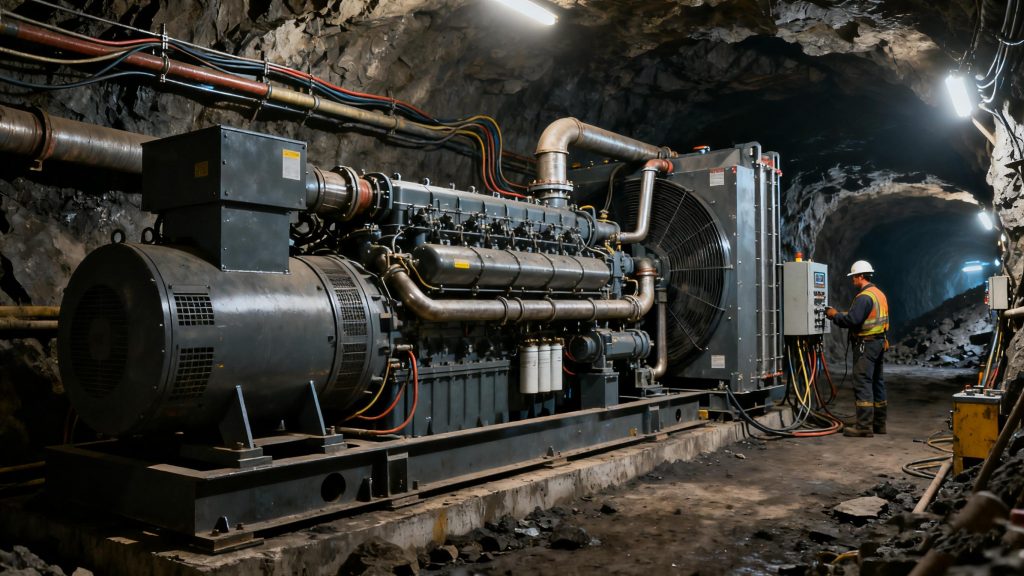
Ilustrasi utama sistem Industrial Generator Selection di fasilitas industri modern.
Industrial Generator Selection: Beyond Load Rating
Ilustrasi utama sistem Industrial Generator Selection di fasilitas industri modern.

Industrial Generator Selection is often reduced to a simple math problem: calculating the total kilowatt load of a facility and finding a machine that meets that number. However, relying solely on load ratings is a risky strategy that can lead to operational inefficiencies, increased maintenance costs, and unexpected power failures. While having enough capacity is essential, ensuring the generator is “right” for the specific environment and application is what separates a functional system from an optimized one.

Many facility managers assume that as long as the generator can handle the peak load, the job is done. In reality, the characteristics of the load, the environmental conditions, and the intended duration of use play critical roles in performance. A generator rated for your load might still fail to start large motors or may run inefficiently if it is oversized for your average consumption.

The Hidden Dangers of Over-Sizing and Under-Sizing

Detail komponen mesin untuk optimasi Industrial Generator Selection guna menghindari kerusakan.

In the process of industrial generator selection, there is a common temptation to “over-spec” the equipment to provide a safety buffer. While this seems prudent, running a generator significantly below its rated capacity leads to a phenomenon known as “wet stacking.” This occurs when unburnt fuel accumulates in the exhaust system, leading to engine damage and reduced efficiency.

Conversely, under-sizing a generator might satisfy the average load but fail during “inrush current” events. When heavy industrial machinery or HVAC systems kick in, they demand a surge of power that can be several times higher than their running wattage. If the generator cannot handle this spike, the entire system may trip, causing costly downtime for your facility.

Critical Factors in Industrial Generator Selection

Penempatan lokasi yang tepat dalam proses Industrial Generator Selection untuk sirkulasi udara.

To ensure your power system is truly compatible with your facility, you must look beyond the nameplate rating. Consider the following technical factors to refine your choice:

  • Load Profiles: Distinguish between linear loads (like heaters) and non-linear loads (like computers and variable speed drives). Non-linear loads create harmonics that can overheat the generator.
  • Starting Current: Analyze the largest motor in your facility. The generator must be able to handle the starting kVA of the largest load without excessive voltage dip.
  • Environmental Conditions: Altitude and ambient temperature affect air density. A generator rated for sea level will produce less power in high-altitude regions due to decreased oxygen for combustion.
  • Duty Cycle: Determine if the unit is for standby emergency use, prime power, or continuous operation. Each rating dictates the engine’s longevity and maintenance schedule.

Integrating the Generator into Your Facility Layout

The physical placement of the equipment is as important as the electrical specifications. A generator might be rated for the load, but if it is placed in a poorly ventilated area, it will overheat and shut down long before it reaches its rated capacity. Proper airflow and cooling are non-negotiable requirements for industrial environments.

Furthermore, consider the fuel logistics. Does your facility have the storage capacity for the required fuel volume to maintain operations during a prolonged outage? The integration of fuel polishing systems and automatic transfer switches (ATS) ensures that the transition from grid power to generator power is seamless and safe.

Maintenance and Long-Term Scalability

A strategic approach to industrial generator selection also involves planning for the future. Facilities rarely stay static; new machinery is added, and processes evolve. Selecting a modular system or a generator with a slightly flexible capacity allows you to scale your power needs without replacing the entire unit.

Maintenance accessibility is another often-overlooked detail. If the generator is tucked into a corner where technicians cannot easily reach the filters or oil ports, routine maintenance will be neglected. This leads to premature wear and a higher likelihood of failure during a critical power outage.

Conclusion: Making the Right Power Investment

Ultimately, successful industrial generator selection requires a holistic view of your facility’s electrical ecosystem. While the load rating provides the baseline, the actual “right fit” is determined by load types, environmental variables, and operational goals. Investing time in a detailed power audit today prevents catastrophic failures and wasted capital tomorrow.

Do not leave your facility’s uptime to chance. If you are unsure whether your current equipment is truly optimized for your specific operational needs, now is the time to act. Contact our expert engineering team today for a comprehensive power assessment and ensure your facility is powered for success.

Solar Inverters in Industrial Sectors: The Future of Energy

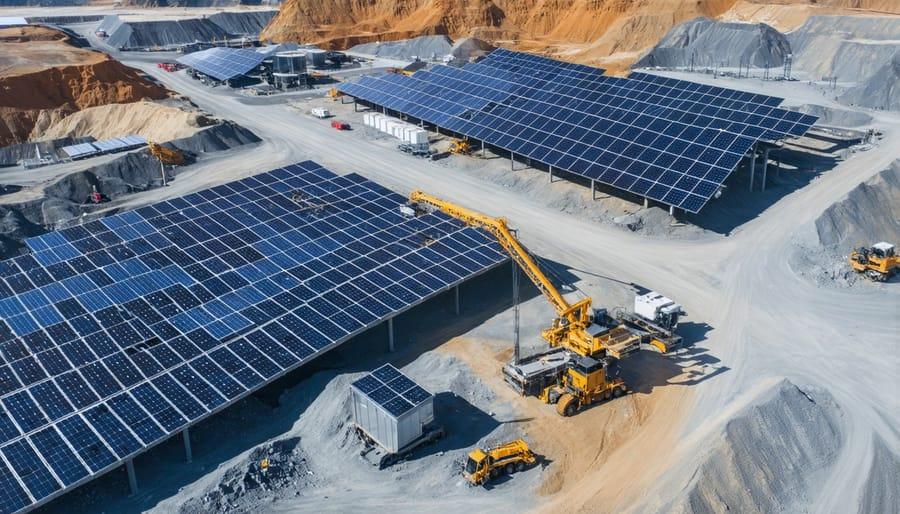
Solar inverters in industrial sectors serve as the critical bridge between raw solar energy and the operational needs of heavy machinery. As the world shifts toward sustainable power, industries are moving away from traditional fossil fuels to embrace renewable alternatives. The integration of advanced inversion technology allows factories, warehouses, and manufacturing plants to convert direct current (DC) from solar panels into usable alternating current (AC), ensuring a steady and efficient power supply.

The transition to clean energy is no longer just an environmental choice; it is a strategic economic move. By implementing high-capacity energy conversion systems, industrial players can significantly reduce their dependence on the grid and lower their operational overhead. This shift represents a fundamental change in how we perceive industrial power management in the modern era.

The Role of Solar Inverters in Industrial Sectors

To understand the impact of solar inverters in industrial sectors, one must first understand the complexity of industrial electricity. Unlike residential setups, industrial facilities require immense amounts of power to run heavy-duty motors, HVAC systems, and automated production lines. A standard solar panel generates DC power, but almost all industrial equipment operates on AC power.

This is where the industrial-grade inverter becomes indispensable. These devices do not simply convert electricity; they manage the quality and stability of the power. Modern inverters provide synchronization with the grid, voltage regulation, and protection against power surges, which prevents expensive machinery from malfunctioning during energy transitions.

Key Benefits of Industrial Solar Integration

Integrating solar technology into the industrial framework offers a multitude of advantages that extend beyond simple cost savings. Companies that adopt these systems often see a rapid improvement in their overall energy profile.

  • Significant Cost Reduction: Lowering monthly utility bills by generating power on-site reduces the long-term operational expenditure.
  • Carbon Footprint Mitigation: Transitioning to solar energy helps companies meet strict environmental regulations and corporate sustainability goals.
  • Energy Independence: Reducing reliance on the national grid protects industries from power outages and fluctuating energy prices.
  • Enhanced Equipment Lifespan: High-quality inverters provide clean, stable sine-wave power, which reduces wear and tear on sensitive electrical components.

Overcoming Challenges in Large-Scale Implementation

While the benefits are clear, the deployment of solar inverters in industrial sectors comes with specific challenges. The primary hurdle is often the initial capital expenditure. Installing industrial-scale solar arrays requires a significant upfront investment in hardware and professional installation.

Furthermore, the integration process must be seamless. Industrial engineers must ensure that the inverter capacity matches the peak load of the facility to avoid downtime. However, government incentives, tax credits, and the declining cost of photovoltaic cells are making these installations more accessible than ever before.

The Future of Clean Energy and Smart Grids

Looking ahead, the future of clean energy lies in the marriage of solar technology and Artificial Intelligence (AI). We are seeing the rise of “Smart Inverters” that can communicate with the grid in real-time. These devices can automatically adjust power output based on demand, effectively balancing the load and preventing grid instability.

Moreover, the integration of Energy Storage Systems (ESS) allows industrial sectors to store excess solar energy generated during the day for use during peak night hours. This creates a closed-loop energy ecosystem where waste is minimized and efficiency is maximized.

Conclusion: Embracing the Sustainable Shift

The implementation of solar inverters in industrial sectors is a cornerstone of the global transition toward a greener economy. By converting sunlight into reliable industrial power, businesses can achieve a rare balance of profitability and environmental responsibility. As technology continues to evolve, the efficiency of these systems will only increase, making clean energy the standard for all industrial operations.

Are you ready to modernize your facility and reduce your energy costs? Now is the perfect time to evaluate your power needs and invest in high-efficiency solar solutions. Start your journey toward energy independence today by consulting with a renewable energy expert to implement the best solar inversion technology for your business.

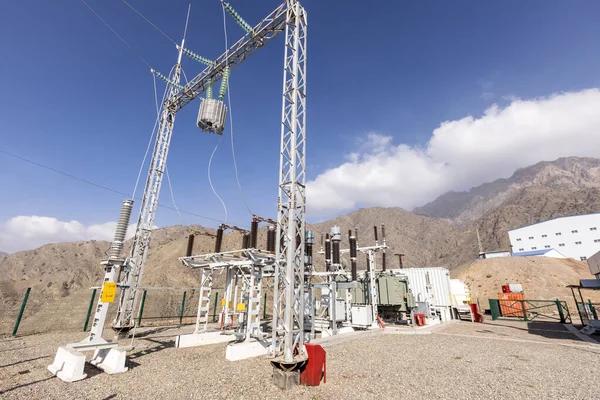
Engineered Power Systems for Hazardous Oil and Gas Sites

Engineered power systems are the backbone of modern industrial operations, especially when dealing with the extreme conditions found in the energy sector. In hazardous oil and gas environments, the risk of explosive atmospheres, corrosive materials, and extreme temperatures makes standard electrical installations insufficient. To mitigate these risks, engineers must design specialized power infrastructures that prioritize safety, redundancy, and reliability to prevent catastrophic failures.

The complexity of these environments requires a multidisciplinary approach to electrical engineering. From offshore platforms to onshore refineries, the integration of power distribution must adhere to strict international safety standards. A failure in a power system within a hazardous zone is not just a technical glitch; it can lead to severe environmental disasters and loss of life. Therefore, the precision of the design phase is critical for operational continuity.

The Critical Role of Engineered Power Systems in Safety

When we discuss engineered power systems in the context of oil and gas, we are referring to a customized architecture designed to withstand volatile conditions. These systems incorporate advanced explosion-proof enclosures and intrinsically safe circuits. By limiting the energy available for ignition, these designs ensure that electrical sparks do not trigger explosions in areas where flammable gases or vapors are present.

Moreover, these systems utilize sophisticated monitoring tools to detect faults before they escalate. Real-time telemetry allows operators to monitor voltage fluctuations and thermal anomalies. This proactive approach reduces downtime and ensures that the facility remains compliant with global safety certifications such as ATEX and IECEx, which are mandatory for hazardous area classifications.

Key Components of Power Infrastructure in Hazardous Zones

Building a resilient power network involves selecting components that can survive harsh atmospheric conditions. Every piece of equipment must be rated for the specific zone it occupies. The primary components typically include:

  • Explosion-Proof Switchgear: These units protect internal electrical components from the external atmosphere and contain any internal arcs to prevent them from igniting surrounding gases.
  • Uninterruptible Power Supplies (UPS): Critical for maintaining control systems during a primary power failure, ensuring that safety valves and monitoring sensors remain active.
  • Variable Frequency Drives (VFDs): Used to optimize motor speeds and energy consumption while being housed in protective cabinets to avoid overheating.
  • Advanced Grounding and Bonding: Essential for preventing static electricity buildup, which is a primary cause of ignition in fuel-rich environments.

Challenges in Designing for Volatile Environments

Designing engineered power systems is not without its challenges. One of the primary hurdles is the corrosive nature of saltwater in offshore environments. Salt spray can degrade electrical insulation and cause premature failure of metallic components. This necessitates the use of high-grade stainless steel and specialized coatings to extend the lifespan of the equipment.

Additionally, the remote location of many oil and gas sites makes maintenance difficult. Engineers must prioritize modularity and accessibility. If a component fails, the system should allow for rapid replacement without requiring a complete shutdown of the facility. Redundancy is also key; utilizing “N+1” or “2N” redundancy ensures that a single point of failure does not paralyze the entire production line.

Future Trends in Industrial Power Engineering

The transition toward digitalization is transforming how we approach engineered power systems. The integration of the Industrial Internet of Things (IIoT) allows for predictive maintenance. Instead of scheduled checks, AI algorithms analyze data from sensors to predict when a transformer or circuit breaker is likely to fail, allowing for intervention before an accident occurs.

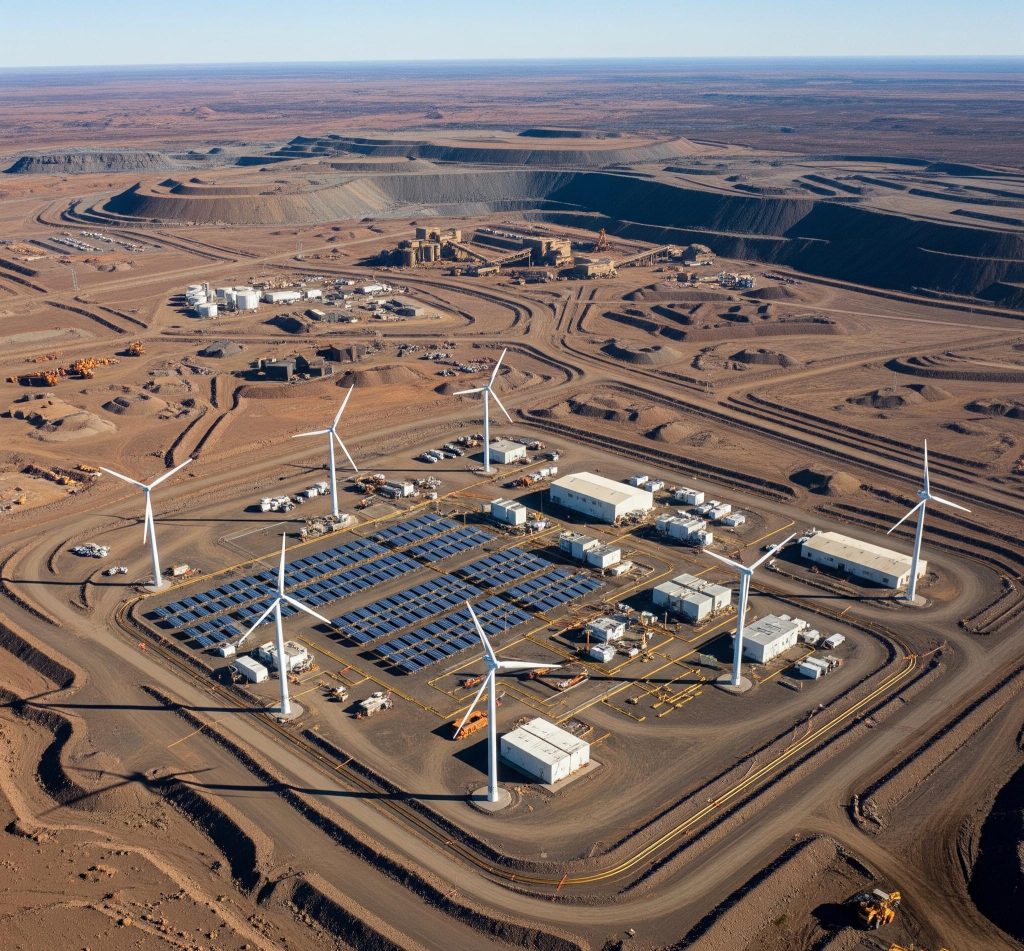
Furthermore, there is a growing trend toward integrating renewable energy sources, such as wind or solar, into remote oil field power grids. Hybrid power systems reduce the reliance on diesel generators, lowering the carbon footprint of extraction operations while providing a more stable and diversified power supply for critical infrastructure.

Conclusion and Implementation

In conclusion, the implementation of robust engineered power systems is non-negotiable for any operation within the oil and gas industry. By focusing on specialized design, adherence to global safety standards, and the integration of smart monitoring technologies, companies can protect their workforce and their assets from the inherent dangers of hazardous environments.

Investing in high-quality electrical engineering today prevents costly disasters tomorrow. If you are looking to upgrade your facility’s infrastructure or design a new site from the ground up, it is time to consult with experts in industrial power solutions. Contact our engineering team today to ensure your operations are safe, efficient, and fully compliant with international hazardous area regulations.

Heavy-Duty Generator Technology for Industrial Operations

Industrial environments place extreme demands on power equipment. Unlike residential generators, industrial units must handle massive electrical loads and operate for extended periods under harsh conditions. This requires a level of engineering that prioritizes durability, high torque, and thermal management to prevent system failure during peak demand periods.

Heavy-duty generator technology provides the critical backbone for modern industrial facilities that cannot afford a single second of power interruption. In sectors such as mining, oil and gas, and large-scale manufacturing, electricity is not just a utility but a fundamental requirement for operational safety and productivity. When the main grid fails or is unavailable, these specialized systems step in to ensure that heavy machinery, cooling systems, and control centers remain fully operational.

The Core Components of Heavy-Duty Generator Technology

To understand how these systems maintain continuous operation, one must look at the engineering behind them. Heavy-duty generator technology integrates high-capacity engines with advanced alternators designed for maximum efficiency. These engines are built with reinforced components to withstand the vibration and heat generated by constant, high-load usage.

A critical part of this technology is the governor system, which regulates the engine speed to maintain a constant frequency and voltage. This ensures that sensitive industrial equipment does not suffer from power surges or sags, which could lead to costly equipment damage or hazardous malfunctions in a factory setting.

  • High-Output Alternators: Designed to convert mechanical energy into electrical power with minimal energy loss.
  • Robust Cooling Systems: Using oversized radiators and industrial-grade coolants to manage extreme thermal loads.
  • Automatic Transfer Switches (ATS): Ensuring a seamless transition from grid power to generator power within milliseconds.
  • Heavy-Duty Enclosures: Sound-attenuating and weather-resistant housings that protect the machinery from dust, rain, and extreme temperatures.

Ensuring Continuous Power for Industrial Operations

Continuity is the primary goal of any industrial power strategy. Heavy-duty generator technology achieves this through redundancy and synchronization. In large-scale operations, a single generator is often not enough. Instead, companies employ “parallel” systems where multiple generators share the load. If one unit requires maintenance, the others compensate instantly to prevent a total blackout.

Furthermore, synchronization technology allows several generators to operate as a single power plant. This not only increases the total available power but also improves fuel efficiency. By adjusting the number of active units based on the current load, plants can optimize their energy consumption while maintaining a safety buffer of standby power.

Maintenance and Longevity in Harsh Environments

Because industrial generators often operate in dusty, humid, or chemically aggressive environments, the materials used in their construction are paramount. Heavy-duty generator technology utilizes corrosion-resistant alloys and high-grade filtration systems to protect the internal combustion components from contamination.

Predictive maintenance has also become a cornerstone of modern industrial power. Integrated sensors monitor oil pressure, temperature, and vibration levels in real-time. This data allows engineers to identify potential failures before they occur, shifting from reactive repairs to a proactive strategy that guarantees 100% uptime.

  • Remote Monitoring: Telemetry systems that allow technicians to check generator health from a central control room.
  • Fuel Management Systems: Automated fuel polishing and transfer systems to ensure the fuel remains clean and available.
  • Load Bank Testing: Regular testing under full load to ensure the system can handle peak demands without tripping.

The Economic Impact of Power Reliability

Investing in high-end power solutions is a strategic financial decision. The cost of unplanned downtime in a heavy industry can reach millions of dollars per hour. When a production line stops abruptly, it leads to wasted raw materials, missed deadlines, and potential labor losses. By deploying reliable heavy-duty generator technology, companies effectively insure themselves against these catastrophic losses.

Additionally, these systems provide stability in regions with unstable national grids. For industries located in remote areas, such as remote mining sites, these generators serve as the primary power source, enabling the development of infrastructure in places where the grid simply does not reach.

Conclusion: Powering the Future of Industry

In conclusion, heavy-duty generator technology is an indispensable asset for any organization committed to continuous industrial operations. By combining robust engineering, smart synchronization, and proactive maintenance, these systems eliminate the risk of power-related failures and ensure that production remains steady and efficient.

As industrial demands continue to evolve, the need for reliable and scalable power solutions will only grow. Do not let an unexpected power outage jeopardize your productivity and safety. Upgrade your facility with a professional power strategy and invest in the most reliable equipment available today. Contact our expert consultants to design a power system tailored to your specific industrial needs.

Reliable Power Solutions for Continuous Mining Operations

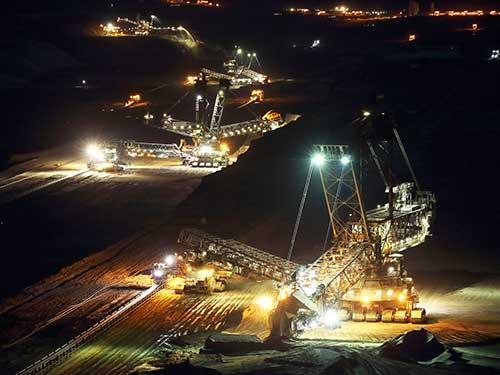
Reliable power solutions are the backbone of any modern mining operation, where stability and consistency determine the difference between high profitability and catastrophic loss. In an industry characterized by extreme environments and heavy machinery, any power fluctuation or outage can lead to immediate production halts, compromising safety and increasing operational costs.

Mining sites often operate in remote locations where access to the national grid is either limited or completely nonexistent. This geographic challenge necessitates the implementation of robust energy systems that can withstand harsh weather and constant heavy loads. Ensuring a steady flow of electricity is not just a matter of convenience; it is a critical requirement for ventilation, pumping, and hauling systems.

The Critical Need for Energy Stability in Mining

Continuous mining operations require a seamless energy supply to maintain the workflow of automated systems and heavy equipment. When power fails, the ripple effect is immediate. Ventilation systems in underground mines must run 24/7 to ensure worker safety, and water pumps must operate constantly to prevent flooding in the shafts.

Implementing reliable power solutions allows companies to mitigate the risks associated with unpredictable energy sources. By integrating a mix of primary and backup systems, mining operators can ensure that critical infrastructure remains active even during primary grid failures or generator malfunctions. This stability leads to higher throughput and better resource management.

Key Components of Reliable Power Solutions

To achieve an uninterrupted power flow, mining companies typically employ a multi-layered approach to energy generation and distribution. These systems are designed for redundancy, meaning if one component fails, another takes over immediately without interrupting the process.

  • Industrial Diesel Generators: These provide the primary power source for remote sites and serve as an essential backup for grid-connected mines.
  • Uninterruptible Power Supplies (UPS): Essential for protecting sensitive electronic controls and monitoring systems from voltage spikes or momentary drops.
  • Hybrid Energy Systems: Combining solar panels or wind turbines with traditional generators to reduce fuel consumption and carbon footprints.
  • Battery Energy Storage Systems (BESS): Storing excess energy to balance loads during peak demand periods, ensuring a smooth power transition.

Strategies for Maintaining Continuous Power

Maintaining reliable power solutions requires more than just installing hardware; it requires a strategic approach to maintenance and monitoring. Predictive maintenance is now the gold standard in the industry, utilizing sensors and AI to detect potential failures before they occur.

Regular load testing ensures that generators can handle the actual demand of the mine during peak operations. Additionally, implementing a synchronized power system allows multiple generators to share the load efficiently, which reduces wear and tear on individual units and increases the overall lifespan of the equipment.

Overcoming Challenges in Remote Environments

The environment in which mining occurs is often the greatest enemy of electrical infrastructure. Dust, humidity, and extreme temperatures can cause equipment to overheat or corrode. Therefore, the hardware used must be ruggedized and specifically rated for industrial mining environments.

Furthermore, the logistics of fuel delivery in remote areas can be a bottleneck. Many operators are now transitioning toward hybrid reliable power solutions that incorporate renewable energy. By reducing the reliance on diesel shipments, mines can lower their operational risks and decrease the frequency of fuel-related downtime.

The Economic Impact of Power Reliability

The financial consequences of power outages in mining are staggering. Beyond the loss of immediate production, sudden shutdowns can damage heavy machinery and lead to costly repairs. When a mine invests in reliable power solutions, it is essentially purchasing an insurance policy against operational volatility.

Increased uptime translates directly into higher revenue. When machines run continuously and predictably, project timelines are met, and labor productivity improves. The initial capital expenditure for high-end power systems is quickly offset by the reduction in emergency repair costs and the elimination of idle labor hours.

Conclusion and Future Outlook

In conclusion, investing in reliable power solutions is no longer optional for companies aiming to compete in the global mining market. From the integration of hybrid energy systems to the deployment of advanced monitoring tools, the goal is to create a resilient energy ecosystem that supports continuous, safe, and efficient operations.

As technology evolves, the shift toward digitalization and green energy will further redefine how mines power their operations. Ensuring your facility is equipped with the right infrastructure today will guarantee sustainability for tomorrow. Are you ready to optimize your energy infrastructure? Contact our specialists today to implement the most efficient reliable power solutions for your mining site and secure your operational future.