PT. Elbrus Power Sistem
Engineered Power Systems for Hazardous Oil and Gas Sites

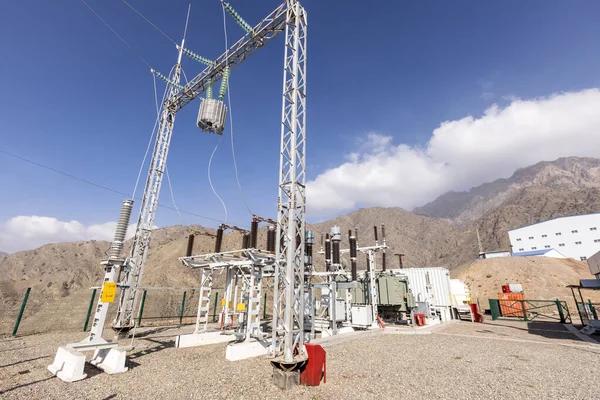
Engineered power systems are the backbone of modern industrial operations, especially when dealing with the extreme conditions found in the energy sector. In hazardous oil and gas environments, the risk of explosive atmospheres, corrosive materials, and extreme temperatures makes standard electrical installations insufficient. To mitigate these risks, engineers must design specialized power infrastructures that prioritize safety, redundancy, and reliability to prevent catastrophic failures.

The complexity of these environments requires a multidisciplinary approach to electrical engineering. From offshore platforms to onshore refineries, the integration of power distribution must adhere to strict international safety standards. A failure in a power system within a hazardous zone is not just a technical glitch; it can lead to severe environmental disasters and loss of life. Therefore, the precision of the design phase is critical for operational continuity.

The Critical Role of Engineered Power Systems in Safety

When we discuss engineered power systems in the context of oil and gas, we are referring to a customized architecture designed to withstand volatile conditions. These systems incorporate advanced explosion-proof enclosures and intrinsically safe circuits. By limiting the energy available for ignition, these designs ensure that electrical sparks do not trigger explosions in areas where flammable gases or vapors are present.

Moreover, these systems utilize sophisticated monitoring tools to detect faults before they escalate. Real-time telemetry allows operators to monitor voltage fluctuations and thermal anomalies. This proactive approach reduces downtime and ensures that the facility remains compliant with global safety certifications such as ATEX and IECEx, which are mandatory for hazardous area classifications.

Key Components of Power Infrastructure in Hazardous Zones

Building a resilient power network involves selecting components that can survive harsh atmospheric conditions. Every piece of equipment must be rated for the specific zone it occupies. The primary components typically include:

  • Explosion-Proof Switchgear: These units protect internal electrical components from the external atmosphere and contain any internal arcs to prevent them from igniting surrounding gases.
  • Uninterruptible Power Supplies (UPS): Critical for maintaining control systems during a primary power failure, ensuring that safety valves and monitoring sensors remain active.
  • Variable Frequency Drives (VFDs): Used to optimize motor speeds and energy consumption while being housed in protective cabinets to avoid overheating.
  • Advanced Grounding and Bonding: Essential for preventing static electricity buildup, which is a primary cause of ignition in fuel-rich environments.

Challenges in Designing for Volatile Environments

Designing engineered power systems is not without its challenges. One of the primary hurdles is the corrosive nature of saltwater in offshore environments. Salt spray can degrade electrical insulation and cause premature failure of metallic components. This necessitates the use of high-grade stainless steel and specialized coatings to extend the lifespan of the equipment.

Additionally, the remote location of many oil and gas sites makes maintenance difficult. Engineers must prioritize modularity and accessibility. If a component fails, the system should allow for rapid replacement without requiring a complete shutdown of the facility. Redundancy is also key; utilizing “N+1” or “2N” redundancy ensures that a single point of failure does not paralyze the entire production line.

Future Trends in Industrial Power Engineering

The transition toward digitalization is transforming how we approach engineered power systems. The integration of the Industrial Internet of Things (IIoT) allows for predictive maintenance. Instead of scheduled checks, AI algorithms analyze data from sensors to predict when a transformer or circuit breaker is likely to fail, allowing for intervention before an accident occurs.

Furthermore, there is a growing trend toward integrating renewable energy sources, such as wind or solar, into remote oil field power grids. Hybrid power systems reduce the reliance on diesel generators, lowering the carbon footprint of extraction operations while providing a more stable and diversified power supply for critical infrastructure.

Conclusion and Implementation

In conclusion, the implementation of robust engineered power systems is non-negotiable for any operation within the oil and gas industry. By focusing on specialized design, adherence to global safety standards, and the integration of smart monitoring technologies, companies can protect their workforce and their assets from the inherent dangers of hazardous environments.

Investing in high-quality electrical engineering today prevents costly disasters tomorrow. If you are looking to upgrade your facility’s infrastructure or design a new site from the ground up, it is time to consult with experts in industrial power solutions. Contact our engineering team today to ensure your operations are safe, efficient, and fully compliant with international hazardous area regulations.
Reliable Power Solutions for Continuous Mining Operations

Reliable power solutions are the backbone of any modern mining operation, where stability and consistency determine the difference between high profitability and catastrophic loss. In an industry characterized by extreme environments and heavy machinery, any power fluctuation or outage can lead to immediate production halts, compromising safety and increasing operational costs.

Mining sites often operate in remote locations where access to the national grid is either limited or completely nonexistent. This geographic challenge necessitates the implementation of robust energy systems that can withstand harsh weather and constant heavy loads. Ensuring a steady flow of electricity is not just a matter of convenience; it is a critical requirement for ventilation, pumping, and hauling systems.

The Critical Need for Energy Stability in Mining

Continuous mining operations require a seamless energy supply to maintain the workflow of automated systems and heavy equipment. When power fails, the ripple effect is immediate. Ventilation systems in underground mines must run 24/7 to ensure worker safety, and water pumps must operate constantly to prevent flooding in the shafts.

Implementing reliable power solutions allows companies to mitigate the risks associated with unpredictable energy sources. By integrating a mix of primary and backup systems, mining operators can ensure that critical infrastructure remains active even during primary grid failures or generator malfunctions. This stability leads to higher throughput and better resource management.

Key Components of Reliable Power Solutions

To achieve an uninterrupted power flow, mining companies typically employ a multi-layered approach to energy generation and distribution. These systems are designed for redundancy, meaning if one component fails, another takes over immediately without interrupting the process.

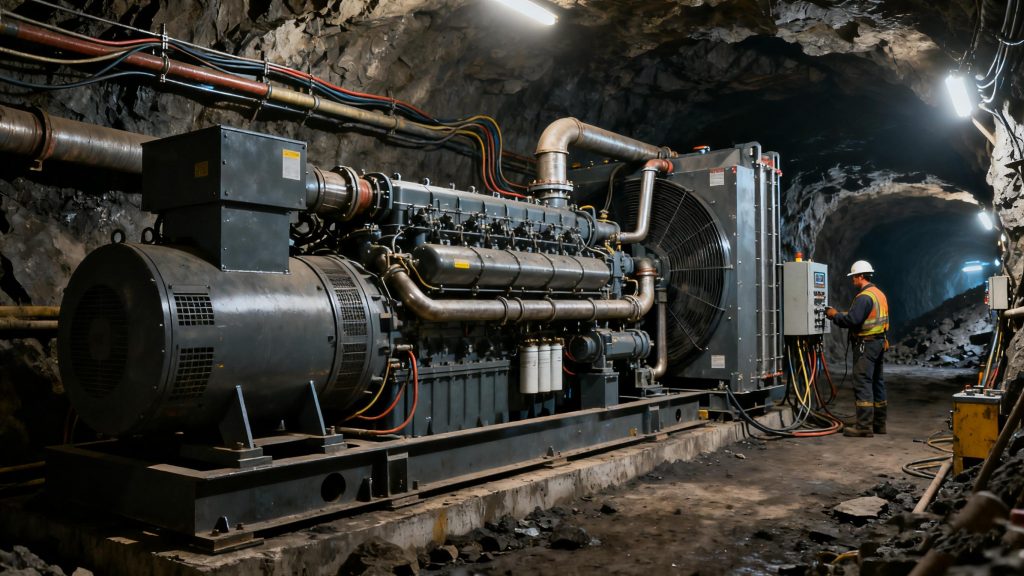
  • Industrial Diesel Generators: These provide the primary power source for remote sites and serve as an essential backup for grid-connected mines.
  • Uninterruptible Power Supplies (UPS): Essential for protecting sensitive electronic controls and monitoring systems from voltage spikes or momentary drops.
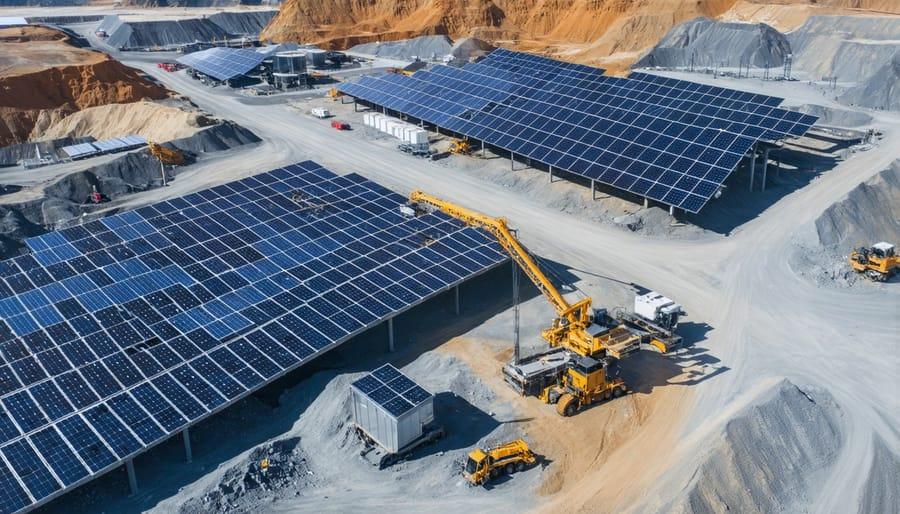
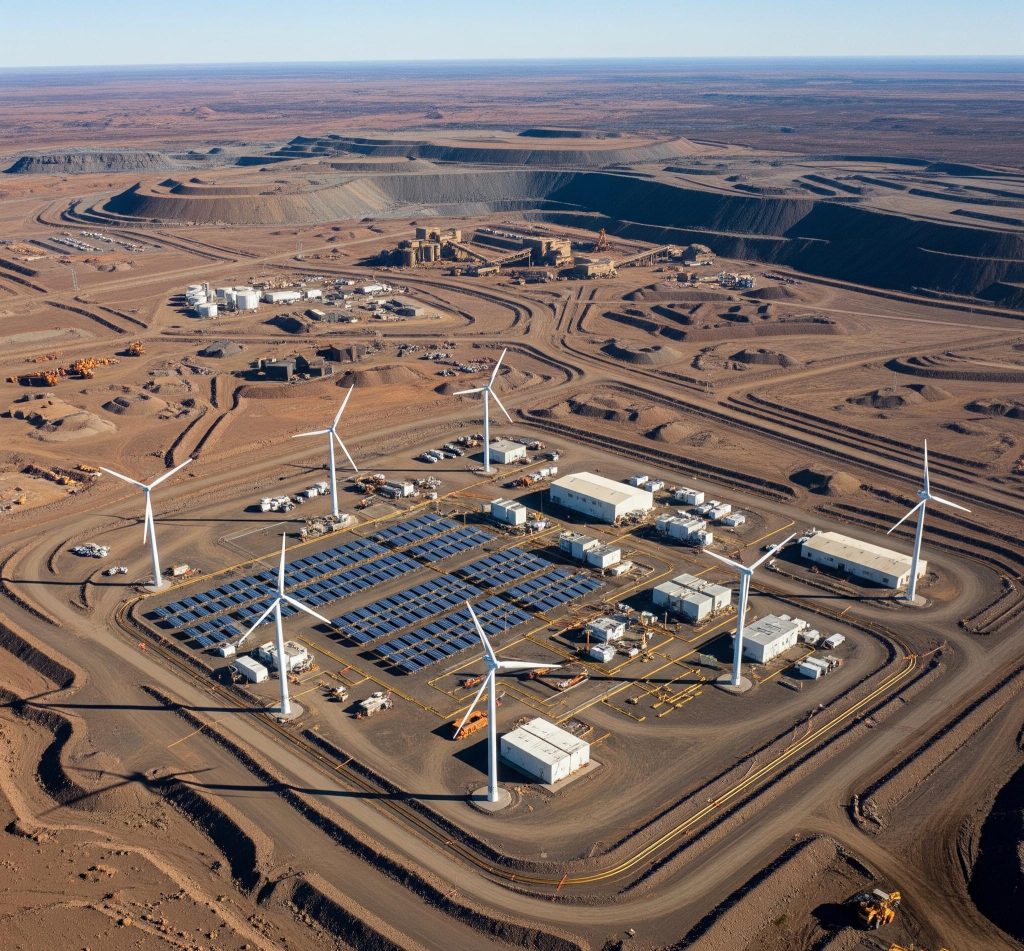
  • Hybrid Energy Systems: Combining solar panels or wind turbines with traditional generators to reduce fuel consumption and carbon footprints.
  • Battery Energy Storage Systems (BESS): Storing excess energy to balance loads during peak demand periods, ensuring a smooth power transition.

Strategies for Maintaining Continuous Power

Maintaining reliable power solutions requires more than just installing hardware; it requires a strategic approach to maintenance and monitoring. Predictive maintenance is now the gold standard in the industry, utilizing sensors and AI to detect potential failures before they occur.

Regular load testing ensures that generators can handle the actual demand of the mine during peak operations. Additionally, implementing a synchronized power system allows multiple generators to share the load efficiently, which reduces wear and tear on individual units and increases the overall lifespan of the equipment.

Overcoming Challenges in Remote Environments

The environment in which mining occurs is often the greatest enemy of electrical infrastructure. Dust, humidity, and extreme temperatures can cause equipment to overheat or corrode. Therefore, the hardware used must be ruggedized and specifically rated for industrial mining environments.

Furthermore, the logistics of fuel delivery in remote areas can be a bottleneck. Many operators are now transitioning toward hybrid reliable power solutions that incorporate renewable energy. By reducing the reliance on diesel shipments, mines can lower their operational risks and decrease the frequency of fuel-related downtime.

The Economic Impact of Power Reliability

The financial consequences of power outages in mining are staggering. Beyond the loss of immediate production, sudden shutdowns can damage heavy machinery and lead to costly repairs. When a mine invests in reliable power solutions, it is essentially purchasing an insurance policy against operational volatility.

Increased uptime translates directly into higher revenue. When machines run continuously and predictably, project timelines are met, and labor productivity improves. The initial capital expenditure for high-end power systems is quickly offset by the reduction in emergency repair costs and the elimination of idle labor hours.

Conclusion and Future Outlook

In conclusion, investing in reliable power solutions is no longer optional for companies aiming to compete in the global mining market. From the integration of hybrid energy systems to the deployment of advanced monitoring tools, the goal is to create a resilient energy ecosystem that supports continuous, safe, and efficient operations.

As technology evolves, the shift toward digitalization and green energy will further redefine how mines power their operations. Ensuring your facility is equipped with the right infrastructure today will guarantee sustainability for tomorrow. Are you ready to optimize your energy infrastructure? Contact our specialists today to implement the most efficient reliable power solutions for your mining site and secure your operational future.