PT. Elbrus Power Sistem

Archives 2026

Reliable Power Solutions for Continuous Mining Operations

Reliable power solutions are the backbone of any modern mining operation, where stability and consistency determine the difference between high profitability and catastrophic loss. In an industry characterized by extreme environments and heavy machinery, any power fluctuation or outage can lead to immediate production halts, compromising safety and increasing operational costs.

Mining sites often operate in remote locations where access to the national grid is either limited or completely nonexistent. This geographic challenge necessitates the implementation of robust energy systems that can withstand harsh weather and constant heavy loads. Ensuring a steady flow of electricity is not just a matter of convenience; it is a critical requirement for ventilation, pumping, and hauling systems.

The Critical Need for Energy Stability in Mining
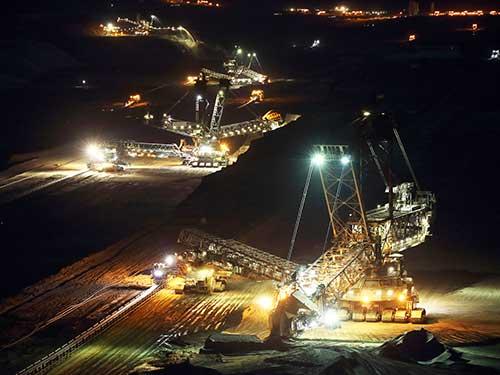
Continuous mining operations require a seamless energy supply to maintain the workflow of automated systems and heavy equipment. When power fails, the ripple effect is immediate. Ventilation systems in underground mines must run 24/7 to ensure worker safety, and water pumps must operate constantly to prevent flooding in the shafts.

Implementing reliable power solutions allows companies to mitigate the risks associated with unpredictable energy sources. By integrating a mix of primary and backup systems, mining operators can ensure that critical infrastructure remains active even during primary grid failures or generator malfunctions. This stability leads to higher throughput and better resource management.

Key Components of Reliable Power Solutions
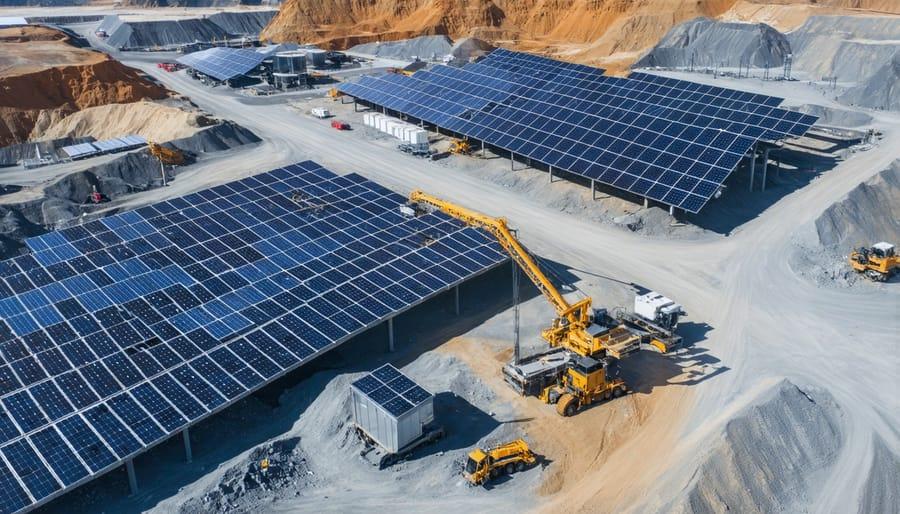
To achieve an uninterrupted power flow, mining companies typically employ a multi-layered approach to energy generation and distribution. These systems are designed for redundancy, meaning if one component fails, another takes over immediately without interrupting the process.

  • Industrial Diesel Generators: These provide the primary power source for remote sites and serve as an essential backup for grid-connected mines.
  • Uninterruptible Power Supplies (UPS): Essential for protecting sensitive electronic controls and monitoring systems from voltage spikes or momentary drops.
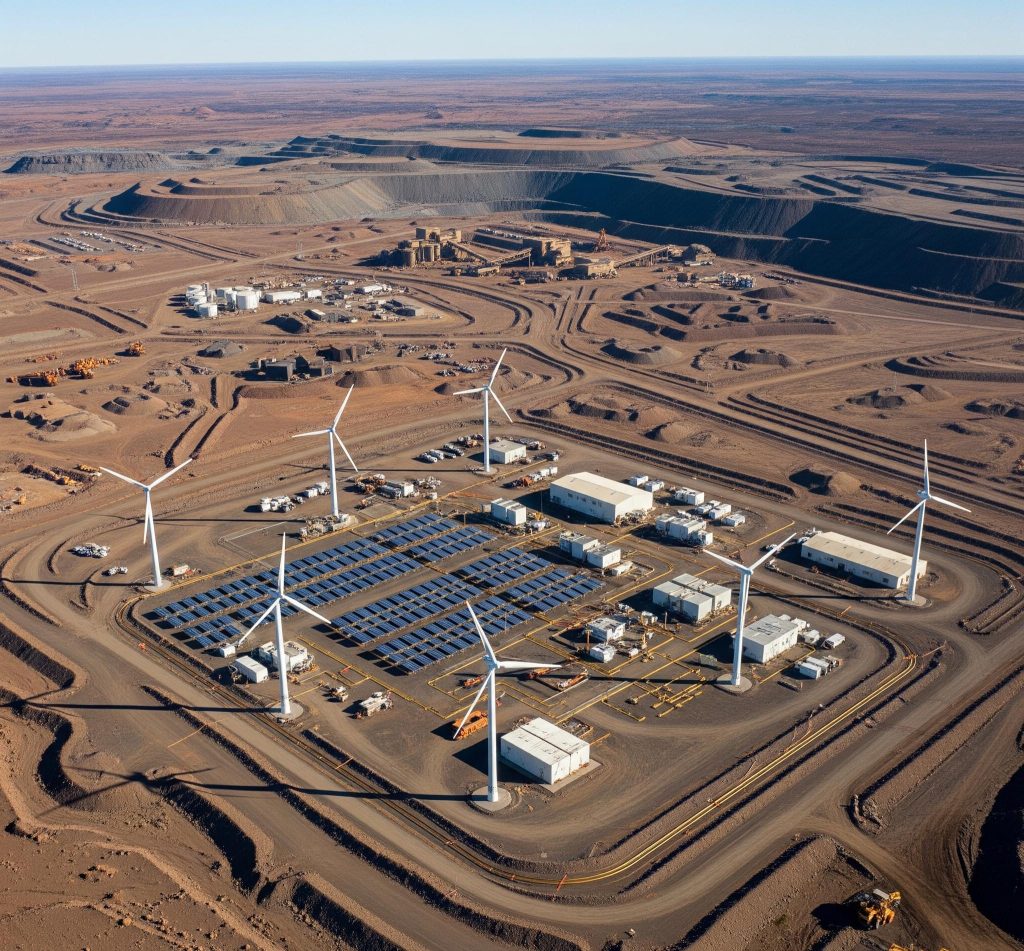
  • Hybrid Energy Systems: Combining solar panels or wind turbines with traditional generators to reduce fuel consumption and carbon footprints.
  • Battery Energy Storage Systems (BESS): Storing excess energy to balance loads during peak demand periods, ensuring a smooth power transition.

Strategies for Maintaining Continuous Power

Maintaining reliable power solutions requires more than just installing hardware; it requires a strategic approach to maintenance and monitoring. Predictive maintenance is now the gold standard in the industry, utilizing sensors and AI to detect potential failures before they occur.

Regular load testing ensures that generators can handle the actual demand of the mine during peak operations. Additionally, implementing a synchronized power system allows multiple generators to share the load efficiently, which reduces wear and tear on individual units and increases the overall lifespan of the equipment.

Overcoming Challenges in Remote Environments

The environment in which mining occurs is often the greatest enemy of electrical infrastructure. Dust, humidity, and extreme temperatures can cause equipment to overheat or corrode. Therefore, the hardware used must be ruggedized and specifically rated for industrial mining environments.

Furthermore, the logistics of fuel delivery in remote areas can be a bottleneck. Many operators are now transitioning toward hybrid reliable power solutions that incorporate renewable energy. By reducing the reliance on diesel shipments, mines can lower their operational risks and decrease the frequency of fuel-related downtime.

The Economic Impact of Power Reliability
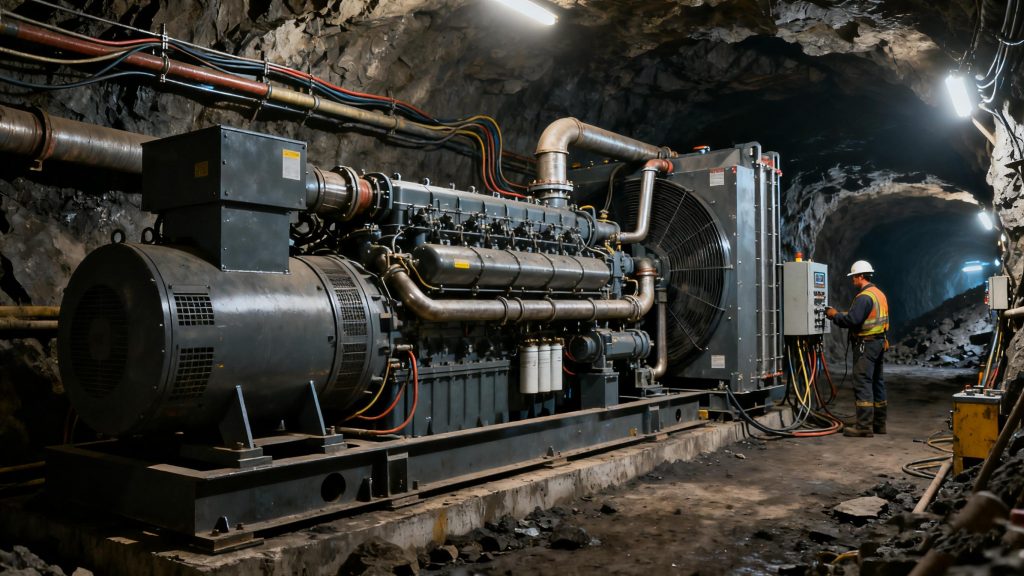
The financial consequences of power outages in mining are staggering. Beyond the loss of immediate production, sudden shutdowns can damage heavy machinery and lead to costly repairs. When a mine invests in reliable power solutions, it is essentially purchasing an insurance policy against operational volatility.

Increased uptime translates directly into higher revenue. When machines run continuously and predictably, project timelines are met, and labor productivity improves. The initial capital expenditure for high-end power systems is quickly offset by the reduction in emergency repair costs and the elimination of idle labor hours.

Conclusion and Future Outlook

In conclusion, investing in reliable power solutions is no longer optional for companies aiming to compete in the global mining market. From the integration of hybrid energy systems to the deployment of advanced monitoring tools, the goal is to create a resilient energy ecosystem that supports continuous, safe, and efficient operations.

As technology evolves, the shift toward digitalization and green energy will further redefine how mines power their operations. Ensuring your facility is equipped with the right infrastructure today will guarantee sustainability for tomorrow. Are you ready to optimize your energy infrastructure? Contact our specialists today to implement the most efficient reliable power solutions for your mining site and secure your operational future.
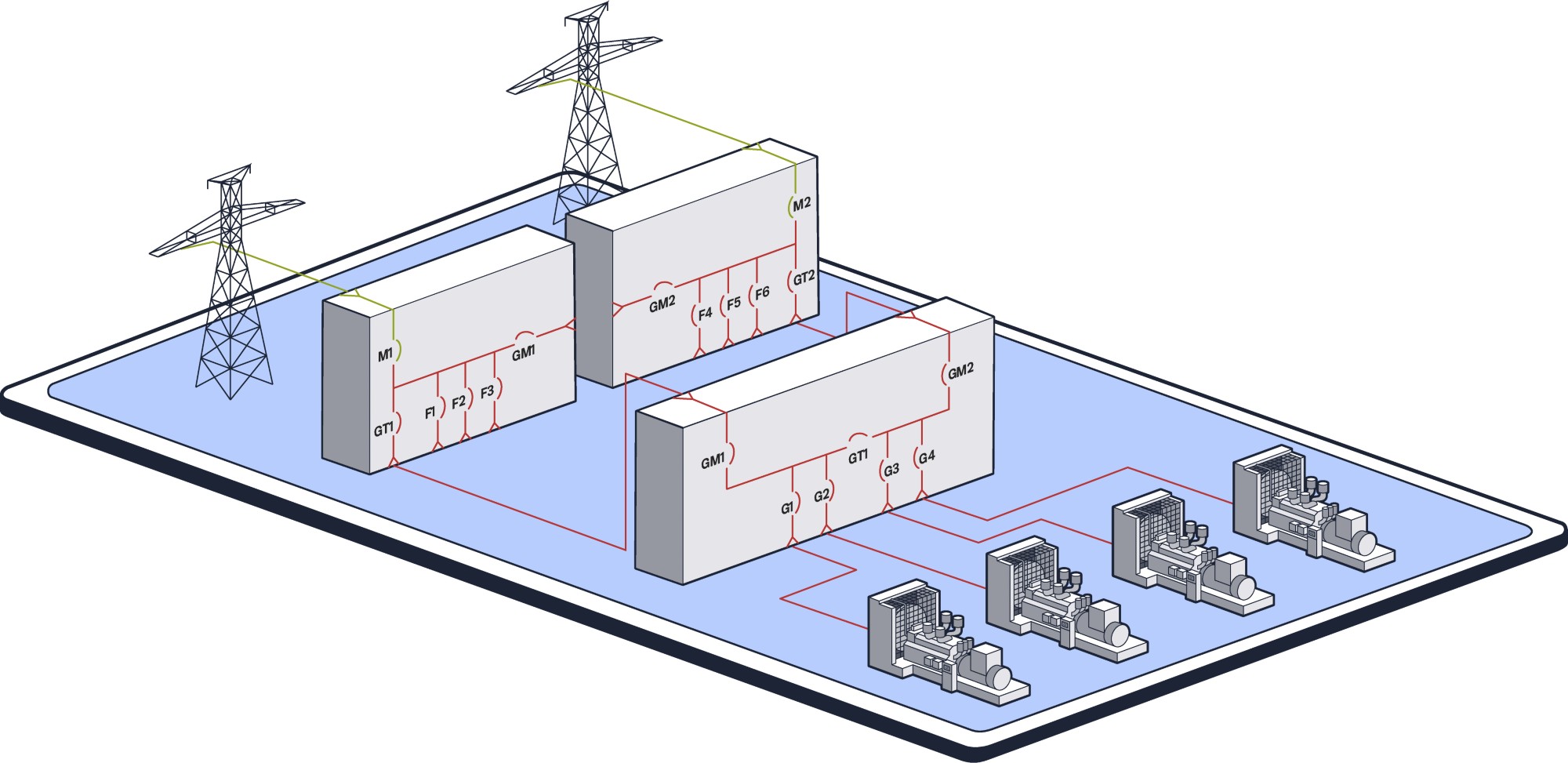
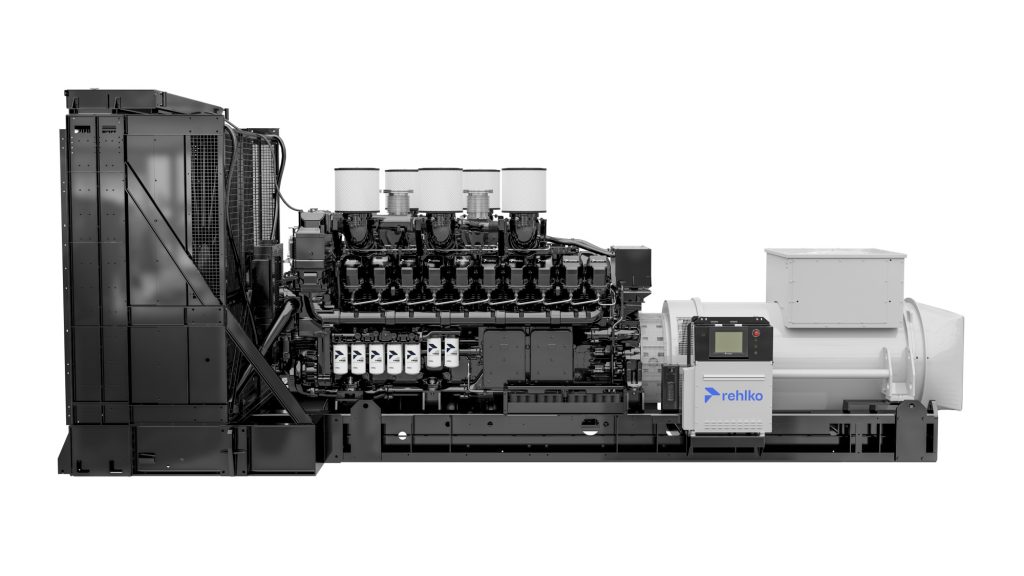
Eco-Friendly Generator Set: Expert Insights from Rehlko

Eco-friendly generator set technology is becoming a critical priority for industries worldwide as the demand for sustainable energy grows. With the global shift toward reducing carbon footprints, businesses are no longer looking for just reliable power; they are seeking power solutions that protect the environment. Rehlko, a leader in power generation, provides the essential answers to what truly defines a generator as sustainable and how these machines can operate without compromising the planet’s health.

Traditionally, generators were seen as noisy, polluting machines that relied heavily on fossil fuels. However, the landscape has changed. Modern engineering now allows for the creation of power units that minimize pollutants and maximize energy efficiency. Understanding the components of an eco-friendly generator set requires a look at fuel sources, emission control systems, and overall operational efficiency.

Key Factors That Define an Eco-Friendly Generator Set

To determine if a power system is truly sustainable, one must look beyond the surface. An eco-friendly generator set focuses on reducing the three primary environmental impacts: air pollution, noise pollution, and resource waste. Rehlko emphasizes that sustainability is achieved through a combination of advanced hardware and intelligent software management.

The first major factor is the transition to cleaner fuels. While traditional diesel remains common, the industry is moving toward HVO (Hydrotreated Vegetable Oil) and natural gas. These alternatives significantly lower the net carbon emissions released into the atmosphere. By switching the fuel source, a generator can drastically reduce its impact on global warming while maintaining the same power output.

  • Low Emission Engines: Use of advanced combustion technology to minimize NOx and particulate matter.
  • Alternative Fuels: Integration of biofuels and natural gas to replace heavy petroleum oils.
  • High Energy Efficiency: Optimized fuel-to-power ratios to ensure no energy is wasted during operation.
  • Sound Attenuation: Advanced enclosure designs that reduce noise pollution in urban areas.

How Rehlko Optimizes Sustainable Power Generation

Rehlko implements a holistic approach to ensure every eco-friendly generator set they produce meets rigorous environmental standards. One of the core strategies involves the implementation of sophisticated exhaust after-treatment systems. These systems act as a filter, capturing harmful gases before they leave the tailpipe and enter the atmosphere.

Furthermore, the integration of smart controllers allows operators to monitor fuel consumption in real-time. By analyzing load patterns, these systems can adjust the engine speed or activate energy-saving modes. This precision prevents “wet stacking” and unnecessary idling, which are common causes of fuel waste and excessive emissions in older generator models.

The Benefits of Switching to Green Power Solutions

Adopting an eco-friendly generator set provides more than just environmental benefits; it offers significant economic advantages. While the initial investment might be higher than traditional units, the long-term operational costs are often lower. This is due to improved fuel efficiency and a reduction in carbon taxes or environmental penalties in many jurisdictions.

Moreover, companies that prioritize green energy enhance their brand reputation. In a market where consumers value sustainability, demonstrating a commitment to the environment through the use of clean power technology can be a powerful competitive advantage. It shows that a company is responsible and forward-thinking.

  • Regulatory Compliance: Easier adherence to strict government emissions standards.
  • Lower Operating Costs: Reduced fuel consumption leads to direct financial savings.
  • Environmental Stewardship: Direct contribution to the reduction of the global carbon footprint.
  • Improved Reliability: Modern, efficient engines typically have longer lifespans and require less frequent overhaul.

Integrating Generators with Renewable Energy

The future of power is not just about a single machine but about a hybrid ecosystem. Rehlko encourages the use of hybrid power systems where an eco-friendly generator set works in tandem with solar panels or wind turbines. In this setup, the generator acts as a backup or a “bridge” when renewable sources are insufficient.

This hybrid approach ensures a 100% uptime while minimizing the total runtime of the combustion engine. By leveraging the best of both worlds, industries can achieve energy independence without relying solely on the grid or burning excessive amounts of fuel.

Conclusion: Embracing the Future of Clean Power

Choosing an eco-friendly generator set is no longer an optional luxury; it is a necessity for any business that wants to thrive in a green economy. From the adoption of alternative fuels to the implementation of smart monitoring and emission controls, Rehlko provides the expertise needed to transition toward a sustainable future.

By prioritizing efficiency and environmental responsibility, you can ensure your operations remain uninterrupted while protecting the natural world for future generations. Are you ready to upgrade your power infrastructure? Contact Rehlko today to find the perfect sustainable power solution for your specific needs and start your journey toward a cleaner, greener tomorrow.

Plant Maintenance Inventory: Stop Supply Chain Bottlenecks

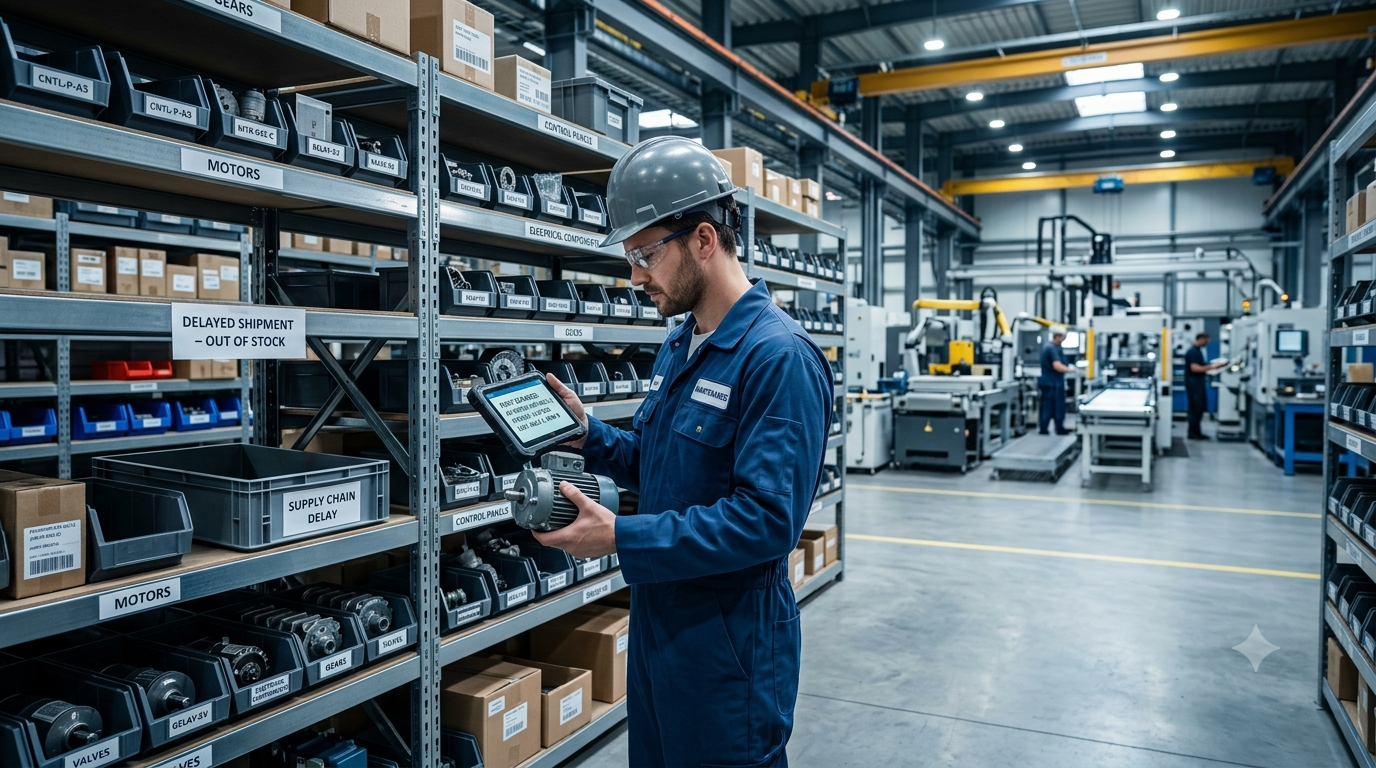
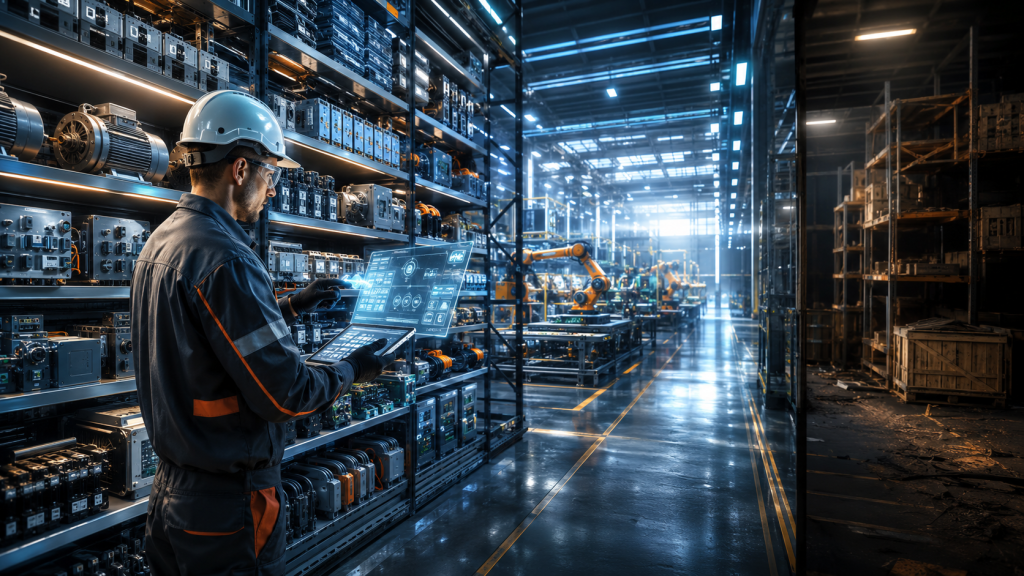
Plant maintenance inventory is the foundation of operational reliability in any industrial facility. When a critical machine fails, the difference between a quick fix and a week-long shutdown often comes down to whether the necessary spare part is sitting on a shelf or stuck in a shipping container. Efficiently managing these assets ensures that maintenance teams can respond to equipment failures immediately, keeping production lines moving and minimizing revenue loss.

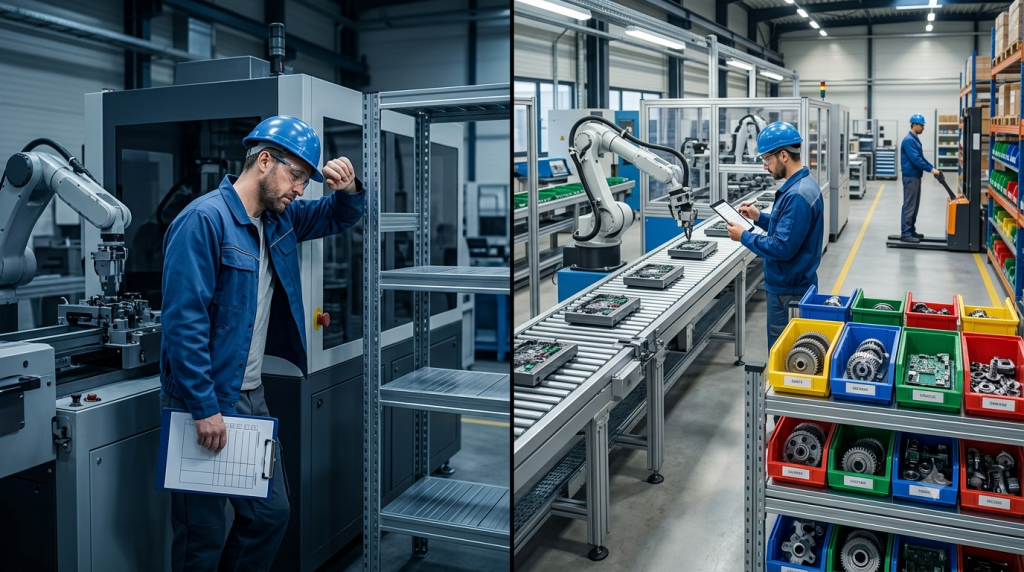
Many plants operate on a reactive basis, ordering parts only after a failure occurs. This approach creates dangerous supply chain bottlenecks, especially when dealing with specialized components that have long lead times. By shifting toward a strategic inventory model, companies can predict their needs and secure essential components before they become emergencies, effectively bridging the gap between procurement and technical execution.

Understanding Supply Chain Bottlenecks in Plant Maintenance

A bottleneck occurs when the flow of maintenance work is restricted by a lack of resources. In the context of plant operations, this usually happens when a technician is ready to perform a repair but the required part is unavailable. These delays are often amplified by global shipping instabilities, raw material shortages, or poor communication between the warehouse and the engineering team.

When these bottlenecks persist, the cost of downtime skyrockets. Beyond the immediate loss of production, companies face secondary costs such as expedited shipping fees and overtime pay for technicians waiting on parts. Addressing these gaps requires a comprehensive audit of the existing plant maintenance inventory to identify which components are most likely to cause a total operational standstill.

Optimizing Your Plant Maintenance Inventory Strategy

Creating a resilient system requires more than just buying more parts. It demands a data-driven approach to categorize assets and prioritize stock based on criticality and usage frequency. A lean yet effective strategy ensures that capital is not wasted on unnecessary stock while critical gaps are permanently closed.

  • Criticality Analysis: Identify parts that, if missing, would stop the entire production process. These “critical” parts must always be in stock, regardless of their cost.
  • Lead Time Mapping: Document the exact time it takes for a part to arrive from the vendor. This helps in setting accurate reorder points.
  • ABC Classification: Group inventory by value. ‘A’ items are expensive and few, while ‘C’ items are cheap and numerous, allowing for different management styles for each.
  • Predictive Integration: Use historical failure data to forecast when parts will likely be needed, moving away from simple “min-max” levels.

By implementing these methods, managers can maintain a healthy balance. They ensure that the plant maintenance inventory supports maximum uptime without bloating the balance sheet with obsolete or redundant components.

The Impact of Digital Tools on Inventory Flow

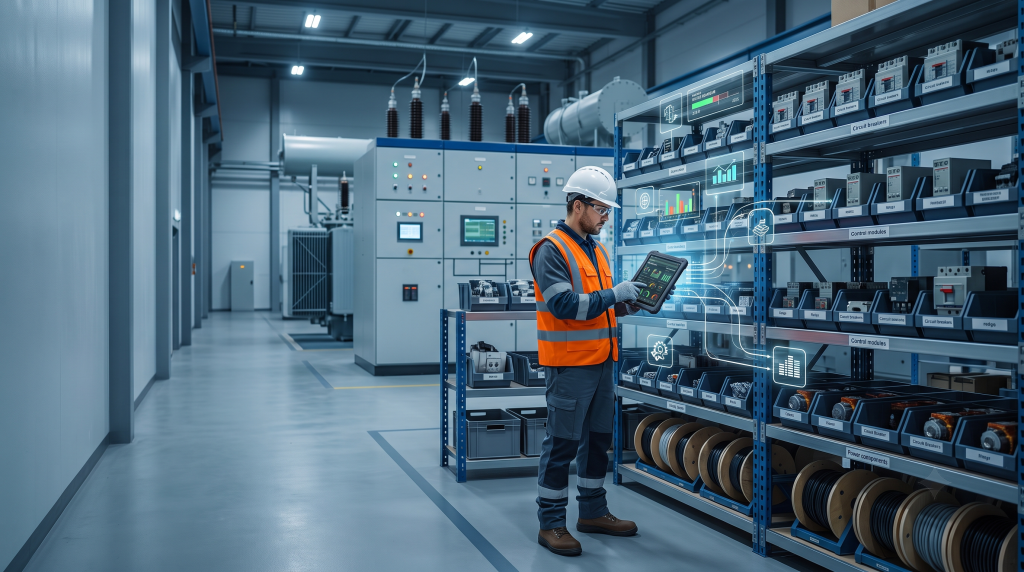
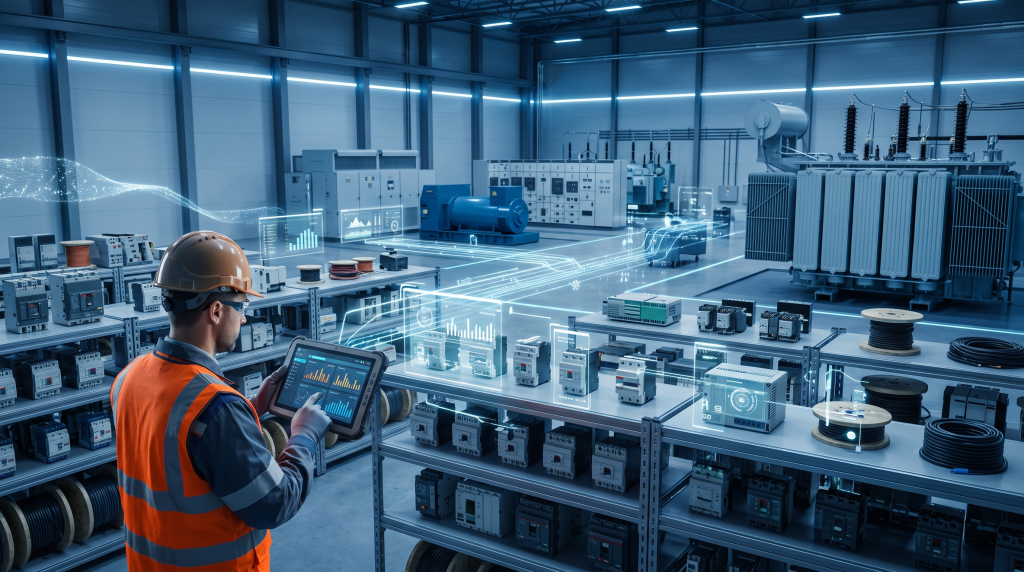
Modern industrial operations rely heavily on Computerized Maintenance Management Systems (CMMS) to synchronize their logistics. These digital tools provide real-time visibility into stock levels, allowing managers to see exactly what is available across multiple sites. When a work order is generated, the system automatically checks the inventory and alerts procurement if a part needs to be ordered.

Furthermore, digital integration enables better collaboration with suppliers. Through Vendor-Managed Inventory (VMI), suppliers gain visibility into the plant’s usage rates and automatically replenish stock. This removes the administrative burden from the maintenance team and significantly reduces the risk of human error leading to a supply chain bottleneck.

Long-Term Operational Gains from Strategic Stocking

A well-managed inventory system transforms the culture of a plant. Maintenance teams feel more confident and less stressed when they know the tools and parts they need are readily available. This efficiency leads to higher quality repairs and a more disciplined approach to preventive maintenance, which in turn extends the lifespan of the machinery.

From a financial perspective, the reduction in emergency procurement saves thousands of dollars annually. Instead of paying premium prices for overnight shipping, the company benefits from planned bulk purchasing and strategic vendor contracts. This stability allows the organization to focus on growth and innovation rather than constant crisis management.

Conclusion and Action Plan

In summary, a professional approach to plant maintenance inventory is the most effective way to eliminate supply chain bottlenecks. By combining criticality analysis, digital tracking, and strategic vendor partnerships, you can ensure that your facility operates at peak efficiency without the fear of unexpected downtime.

Do not wait for a catastrophic failure to realize your supply chain has gaps. Audit your current stock today and implement a strategic inventory framework to protect your bottom line. Contact our industrial optimization experts now to streamline your warehouse and secure your operational future!